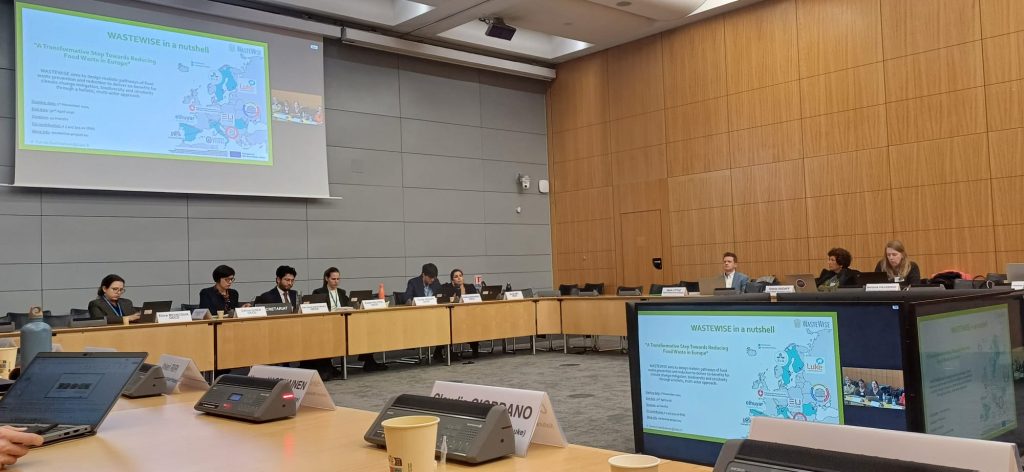
Broad representation of WASTEWISE at the OECD Workshop on Enhancing Food Loss and Waste Data
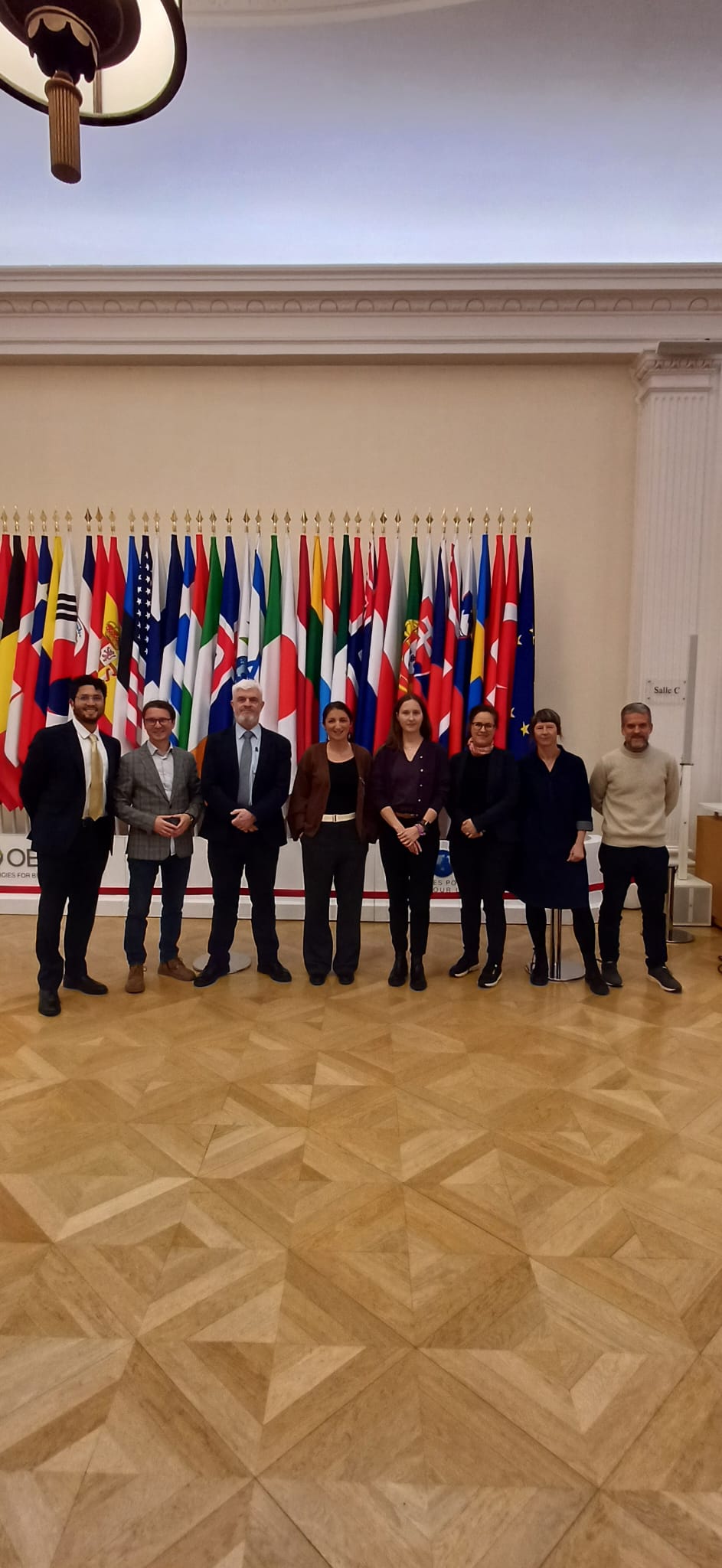
On 3-4 February 2026, representatives from LUKE, Agroscope, NUSTPB, and Espigoladors attended the OECD Workshop on Enhancing Food Loss and Waste Data, held in Paris.
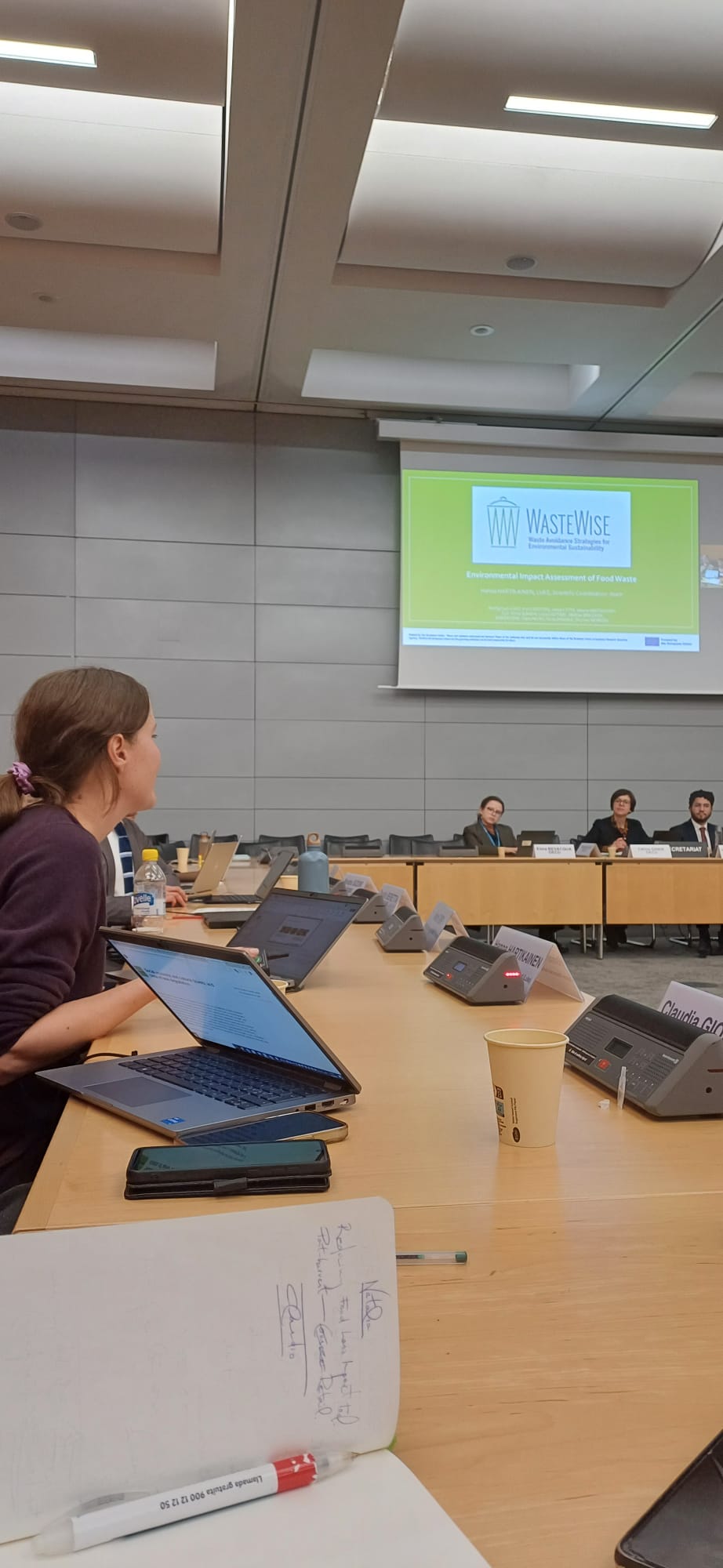
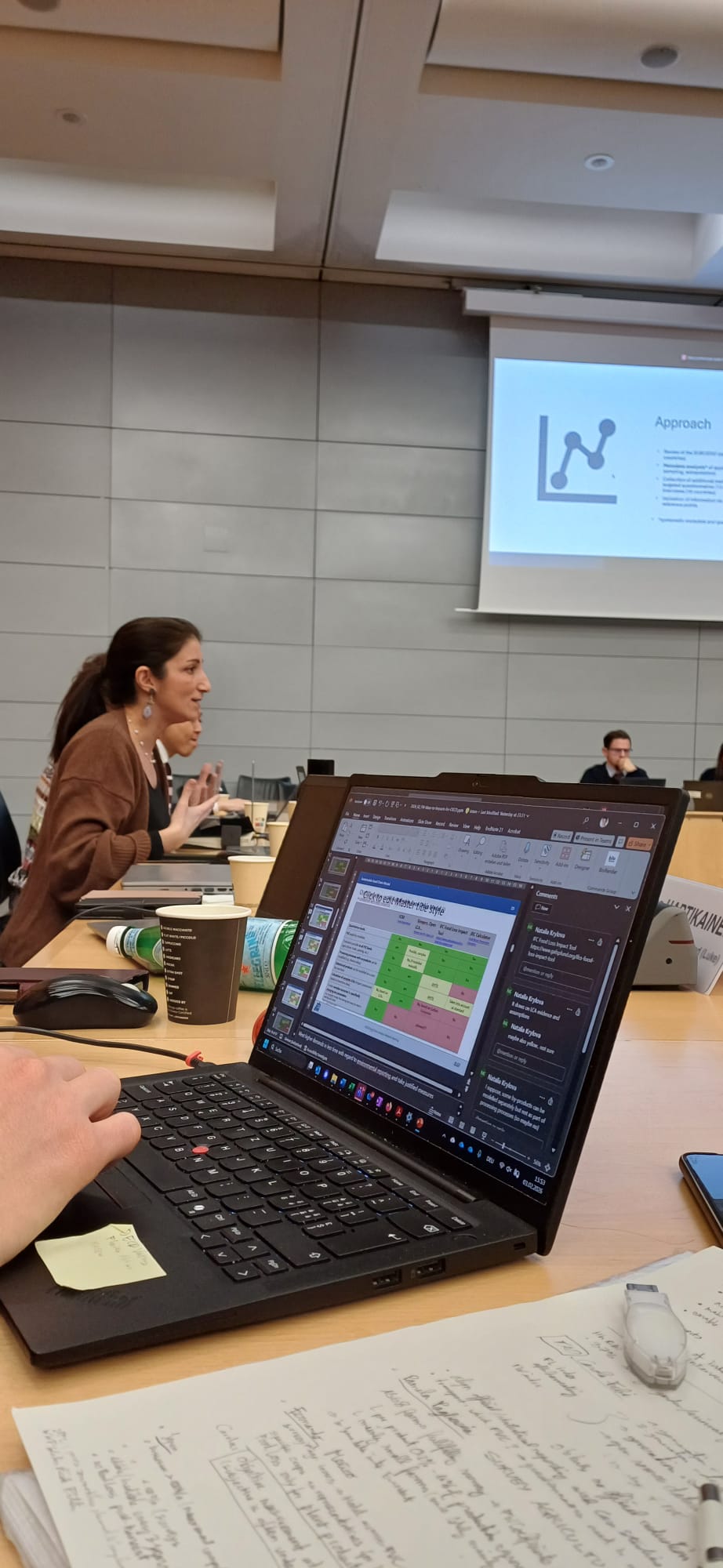
In their interventions, Claudia Giordano (LUKE) presented the WASTEWISE research done regarding food waste numbers reported to Eurostat by EU member states; Silvia Zingale (Agroscope) offered a deep dive into how FLW is conceptualised and measured from a nutritional and dietary perspective (nutritional losses, metabolic food waste, food overconsumption), and Hanna Hartikainen (LUKE) presented the WASTEWISE’s systematic approach to combining food waste data with environmental LCA data.
After the workshop, Claudia Giordano made this reflection: “The workshop was particularly valuable because it brought together the main actors in food waste accounting and monitoring to discuss the OECD monitoring methodology alongside other existing approaches. Despite years of work, countries still use different definitions and methods to measure food waste”.
Claudia added that “however, with the 2025 amendment to the EU Waste Framework Directive, it has become even more important to meet and agree on the next steps. The new mandatory reduction targets are ambitious, and Member States will need to reach them while also improving the quality of the data they collect. At the same time, ideas and solutions to reduce food waste must be shared more actively than ever, given the new policy landscape”.
From her point of view, Hanna Hartikainen stresses that “reducing food waste is not only about reducing quantities, but about understanding wider impacts. The OECD meeting highlighted environmental, economic, nutritional and food security perspectives, with two presentations from the WASTEWISE project illustrating how these impacts can be assessed in practice. The key takeaway was clear: food waste should not be reduced at any cost, but through strategies that improve the food system as a whole”.
Both researchers want to thank the OECD and all speakers for an insightful meeting.