The role of stakeholders as drivers of food waste prevention and reduction
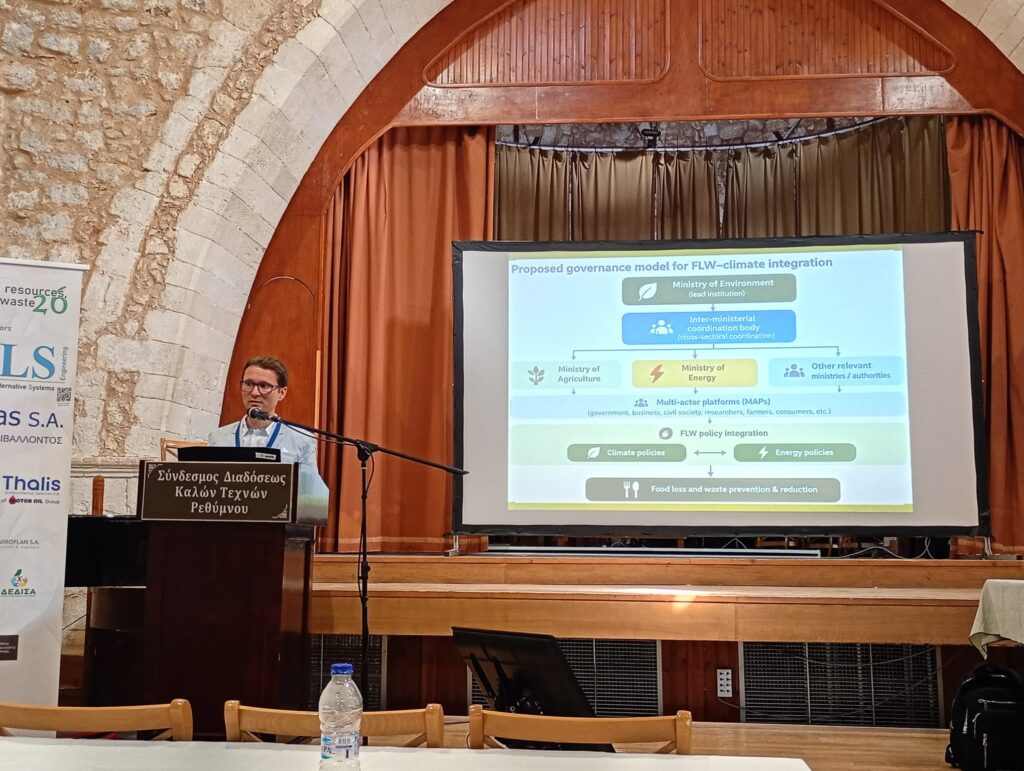
The WASTEWISE partner Cristian Popescu, from the National University of Science and Technology Politehnica Bucharest, presented a study at the RETASTE 2026 conference in which they unveiled the role of multi-stakeholder networks in shaping effective food waste prevention and reduction policies.
Since food waste impacts all stages and actors of the agri-food chain, and is also linked to the energy and waste management sectors, food waste governance requires the involvement of multiple actors, including key public and private stakeholders. However, this aspect has been paid limited attention by academia.
The study presented by Cristian was entitled “Strengthening EU Energy and Climate Policies Through Integration of Food Waste Using Multi-Stakeholder Engagement”, and is intended to fill this gap by exploring the approach of involving multi-actor platforms (MAPs) in the harmonisation of policies and the development of effective framework policies. The five MAPs activated in WASTEWISE were presented as case studies, which include a total of 78 entities in all the stages of the agri-food supply chain, waste management and the energy sector.
The results of the work carried out with these stakeholders suggest that engaging multiple stakeholders may support the development of more integrated approaches to preventing and reducing food waste, and facilitate dialogue and knowledge exchange across sectors.