Breaking down barriers between research and industry
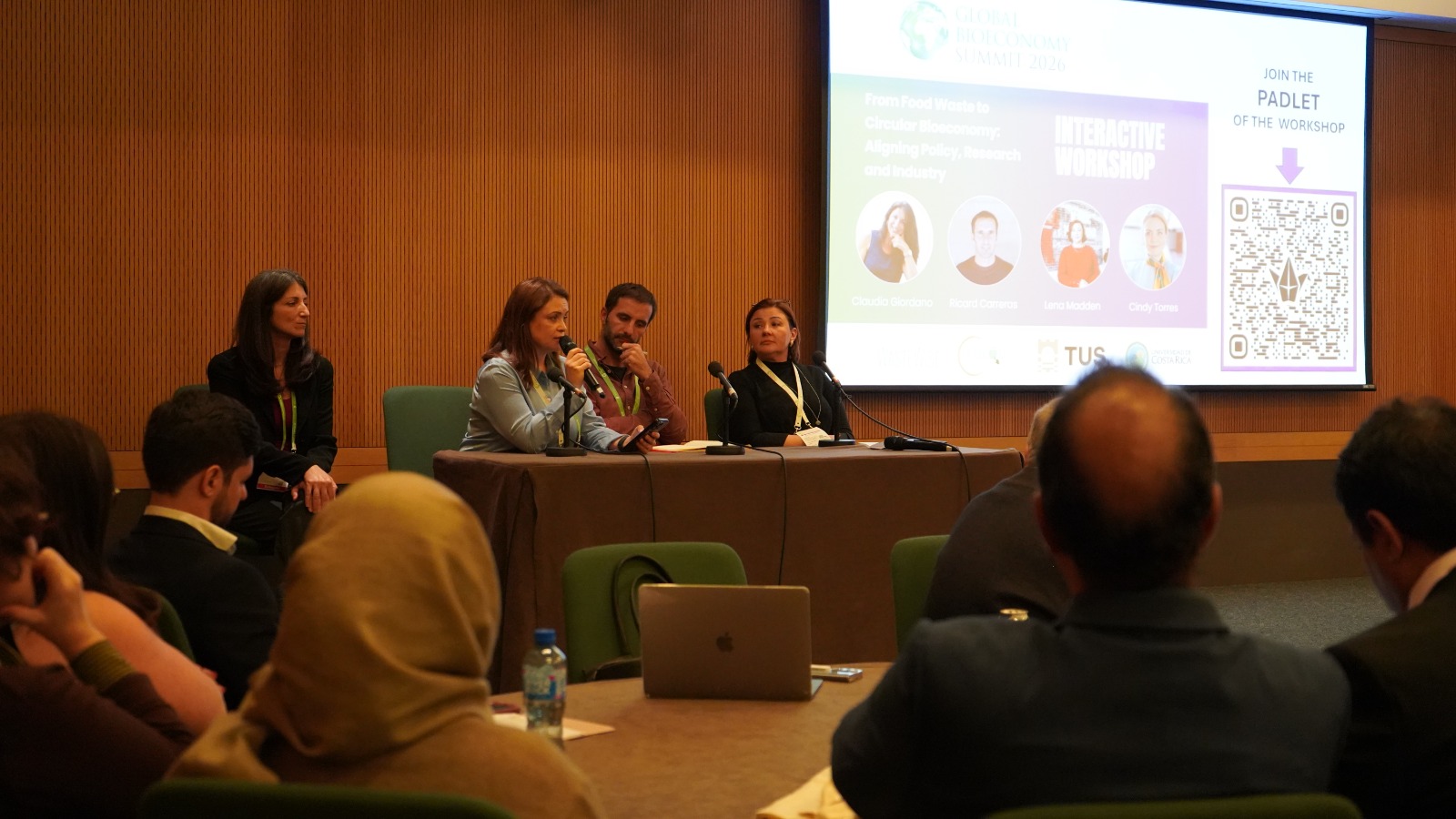
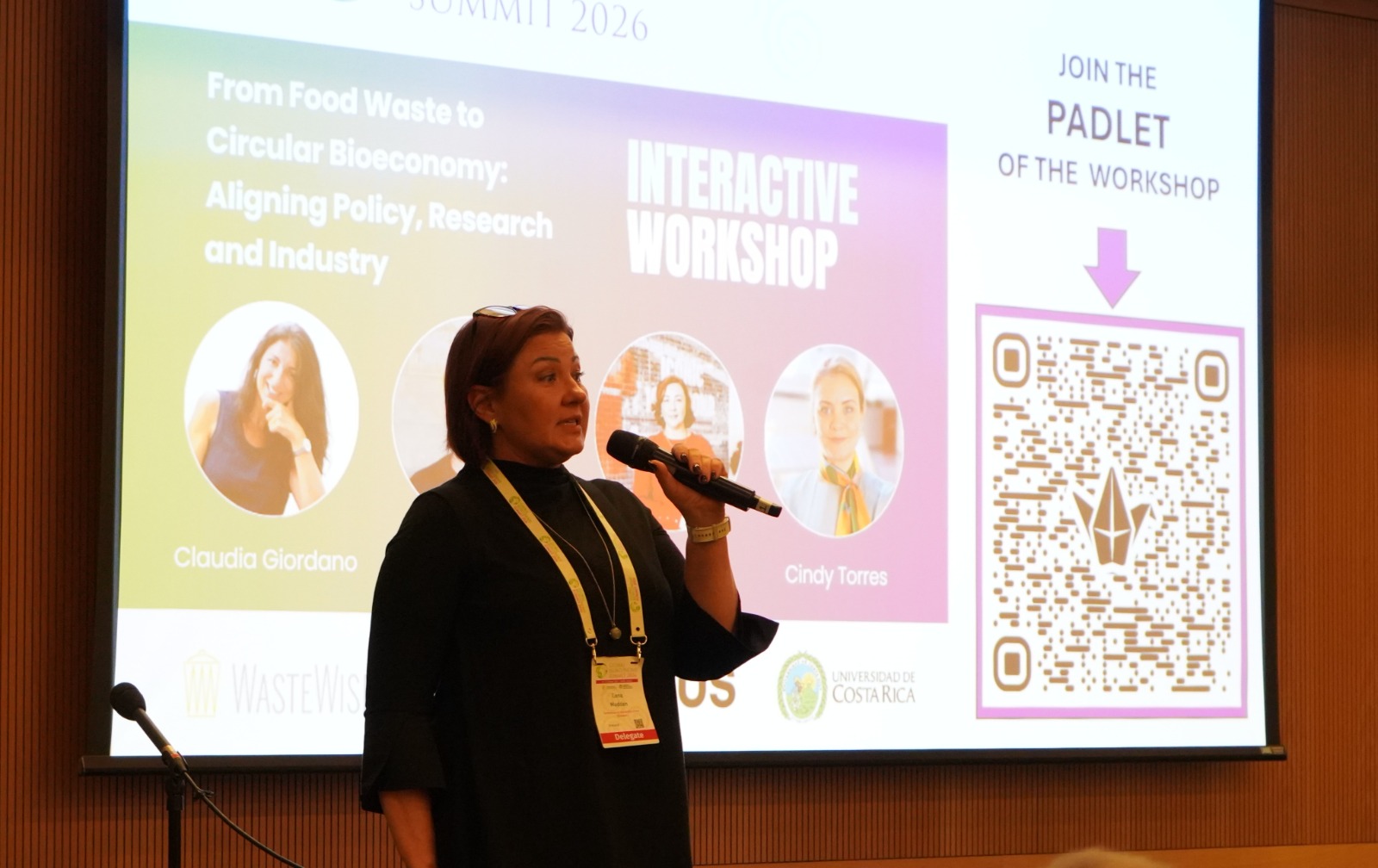
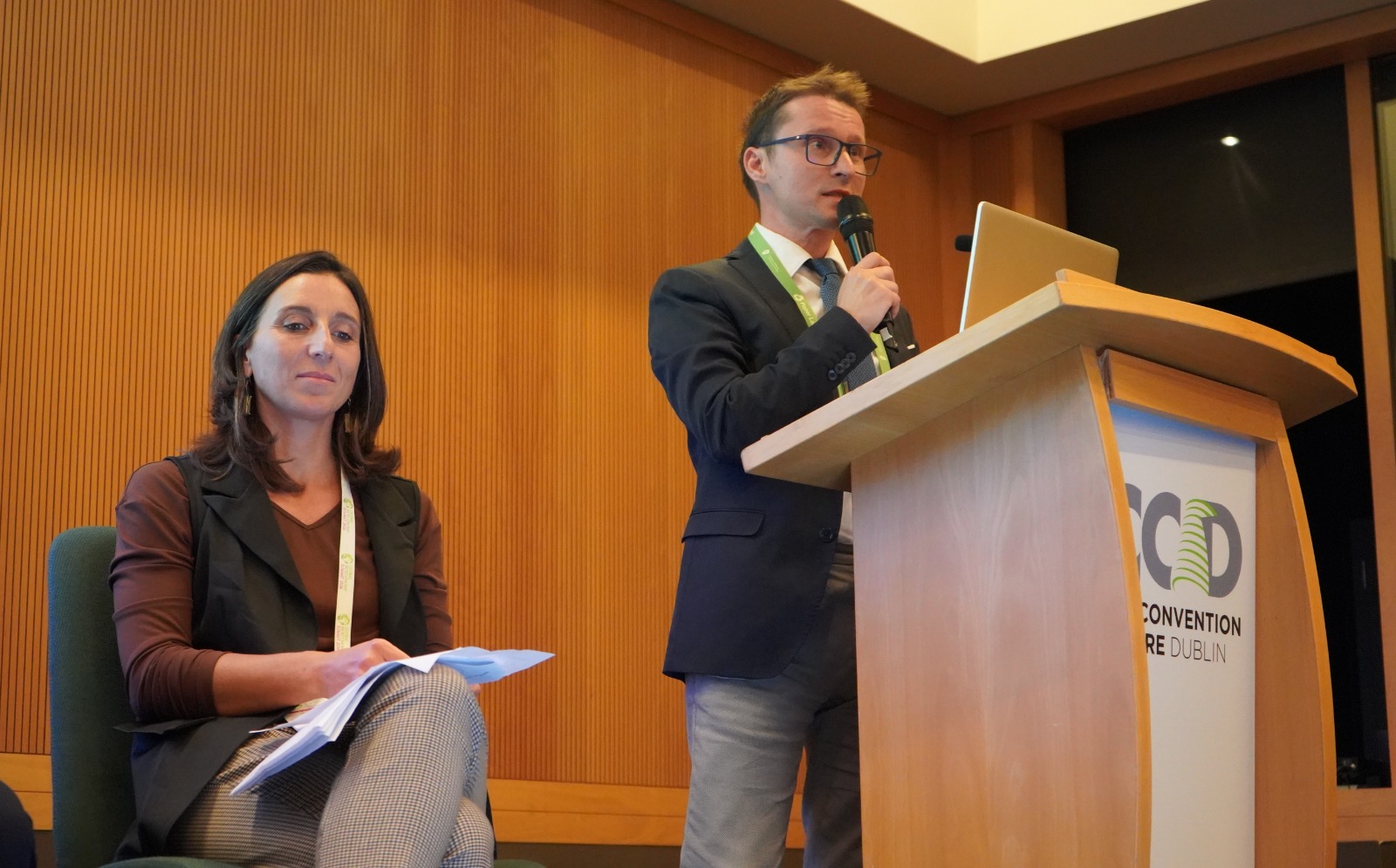
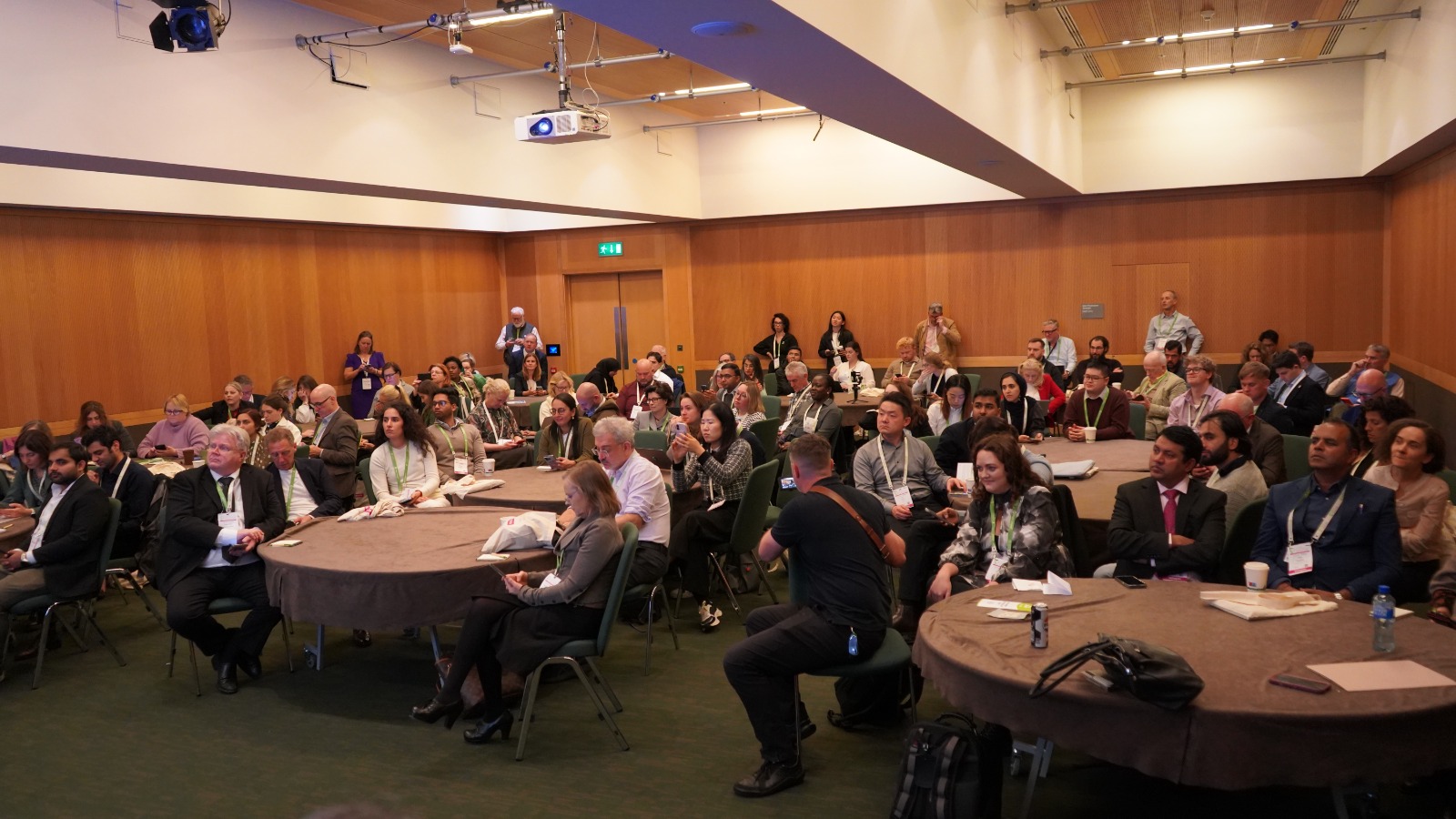
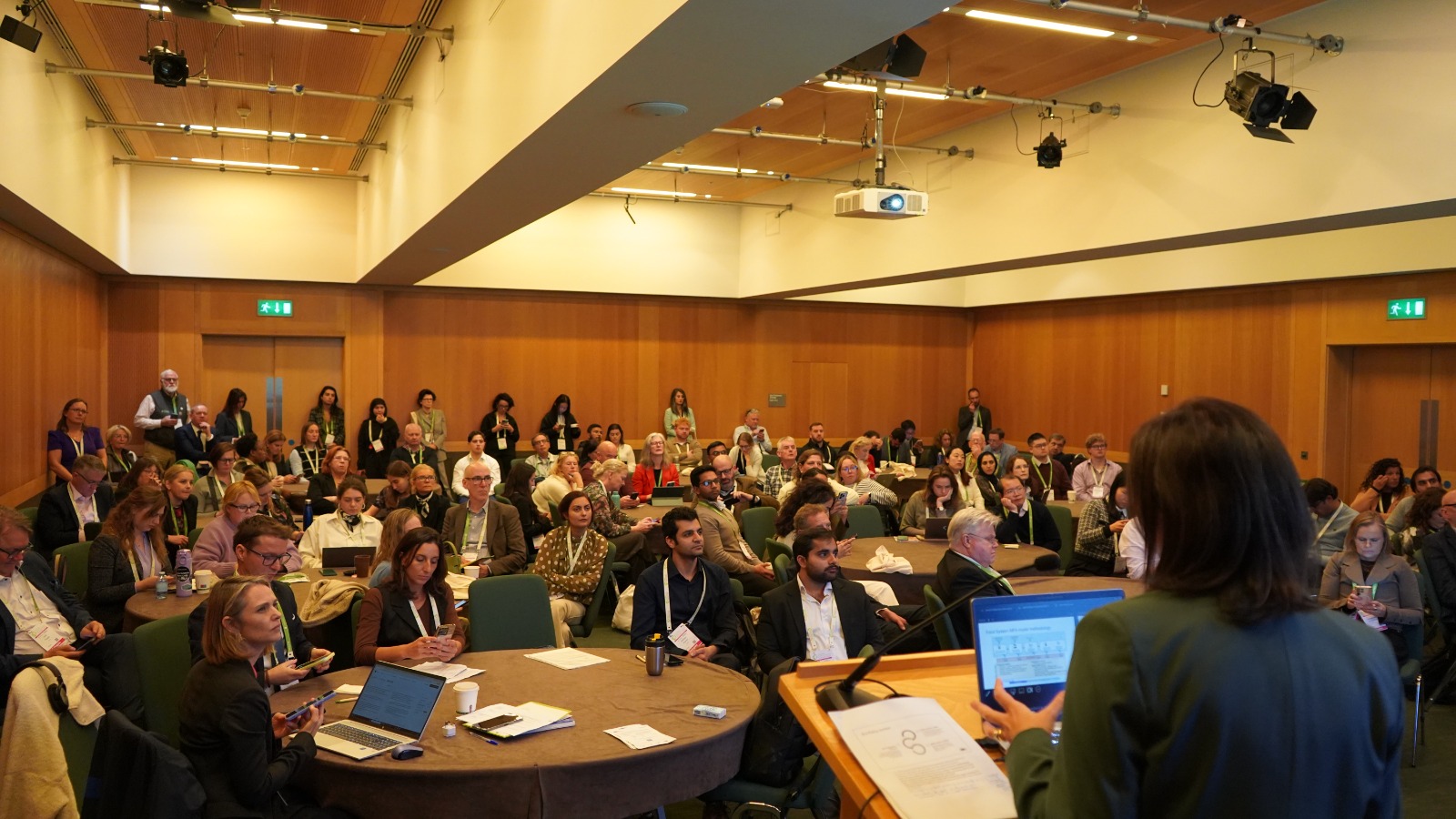
On 20 October, WASTEWISE co-organised an interactive workshop at the Global Bioeconomy Summit (GBS2026) in Dublin, together with the FOLOU project, Technological University of the Shannon (TUS) and the University of Costa Rica. Entitled “From Food Waste to Circular Bioeconomy: Aligning Policy, Research and Industry”, the session explored the challenges and opportunities of food waste prevention and valorisation in food processing.
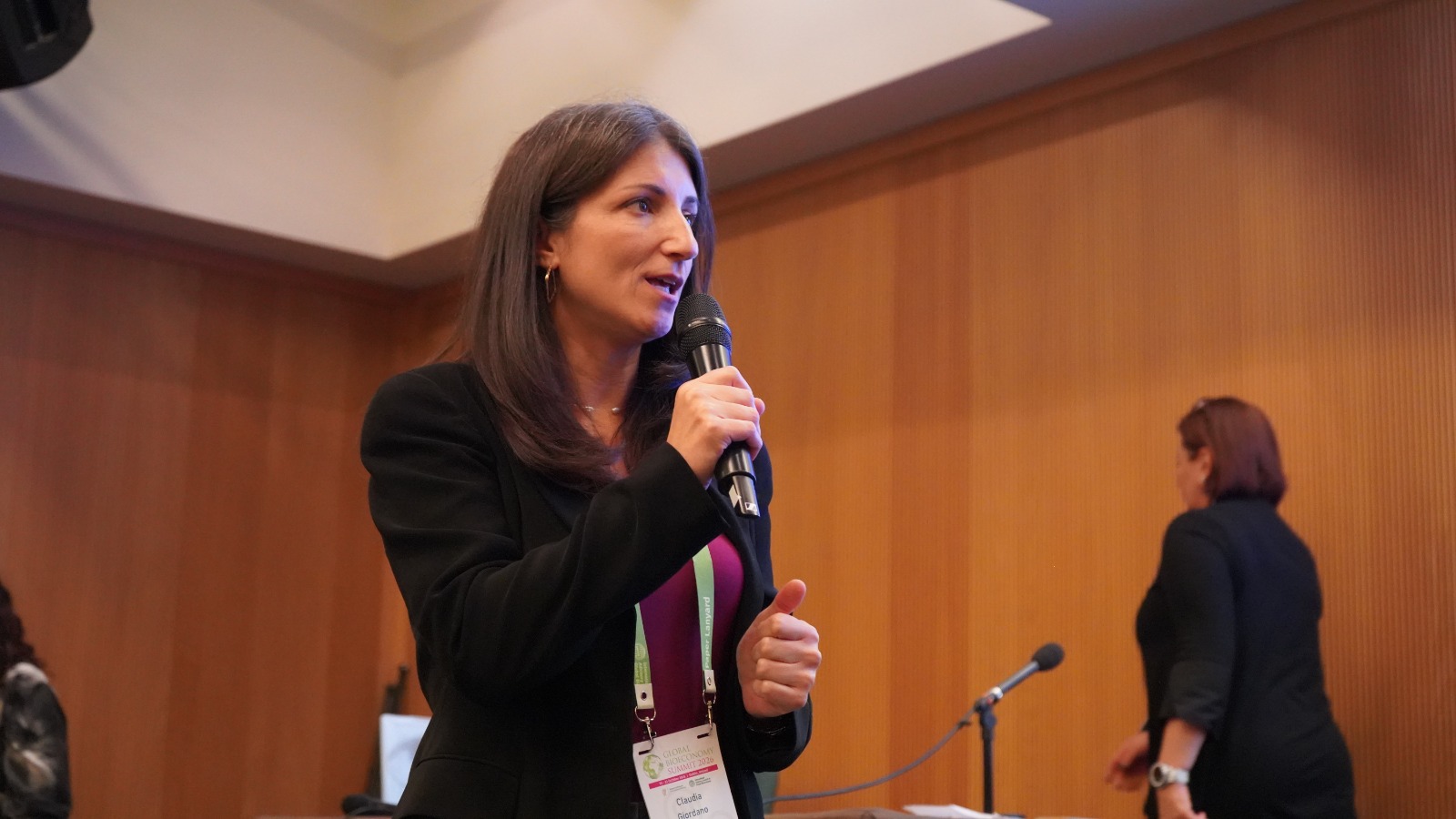
Addressing data gaps and improving the consistency of food waste monitoring are key priorities for WASTEWISE. However, progress also depends on stronger dialogue between researchers and industry. “There are many gaps to bridge, such as the lack of dialogue between research and industry, which is why this event has been organised,” explained Claudia Giordano, the workshop lead organiser. The session brought together researchers and company representatives to exchange perspectives and identify common ground.
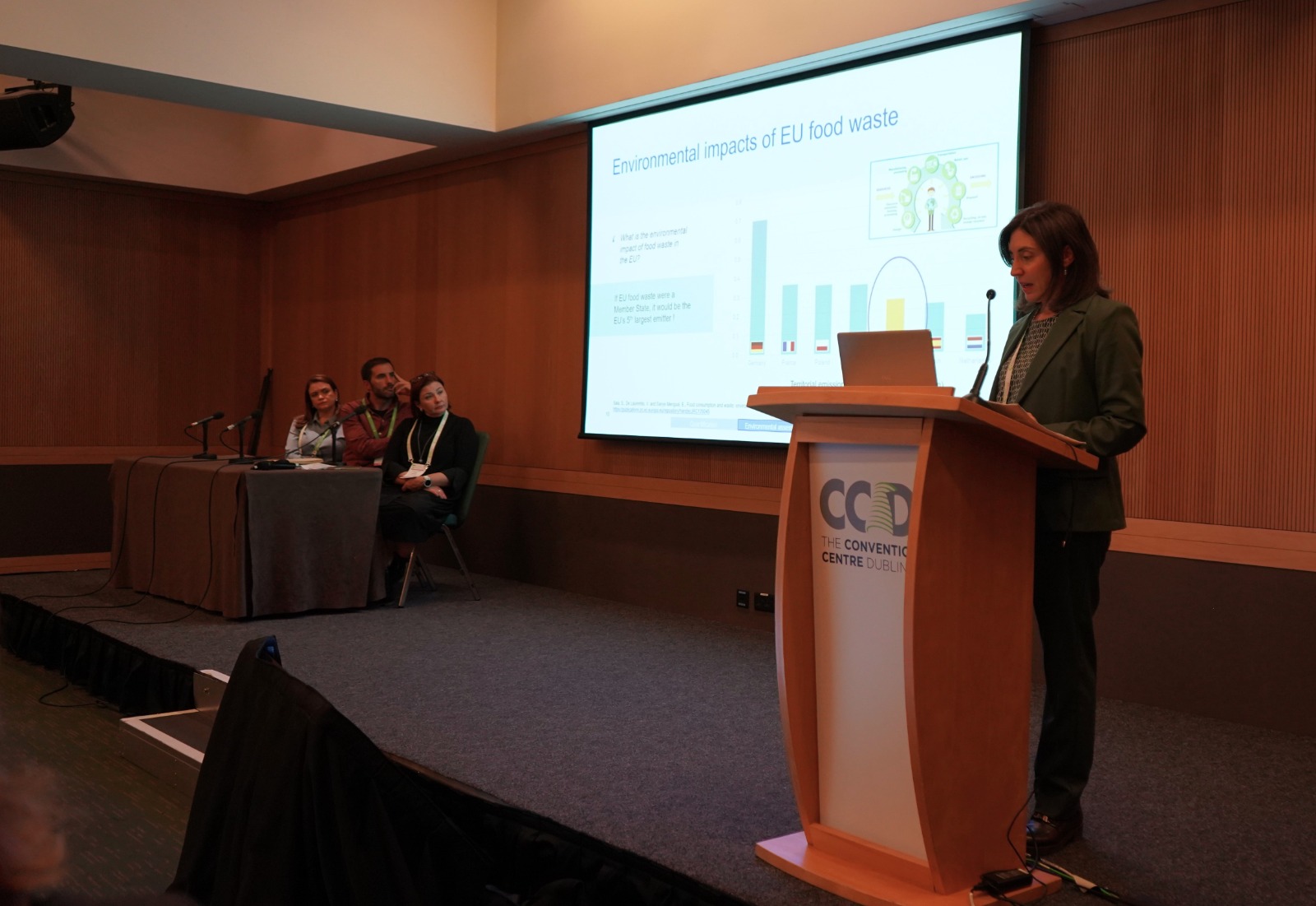
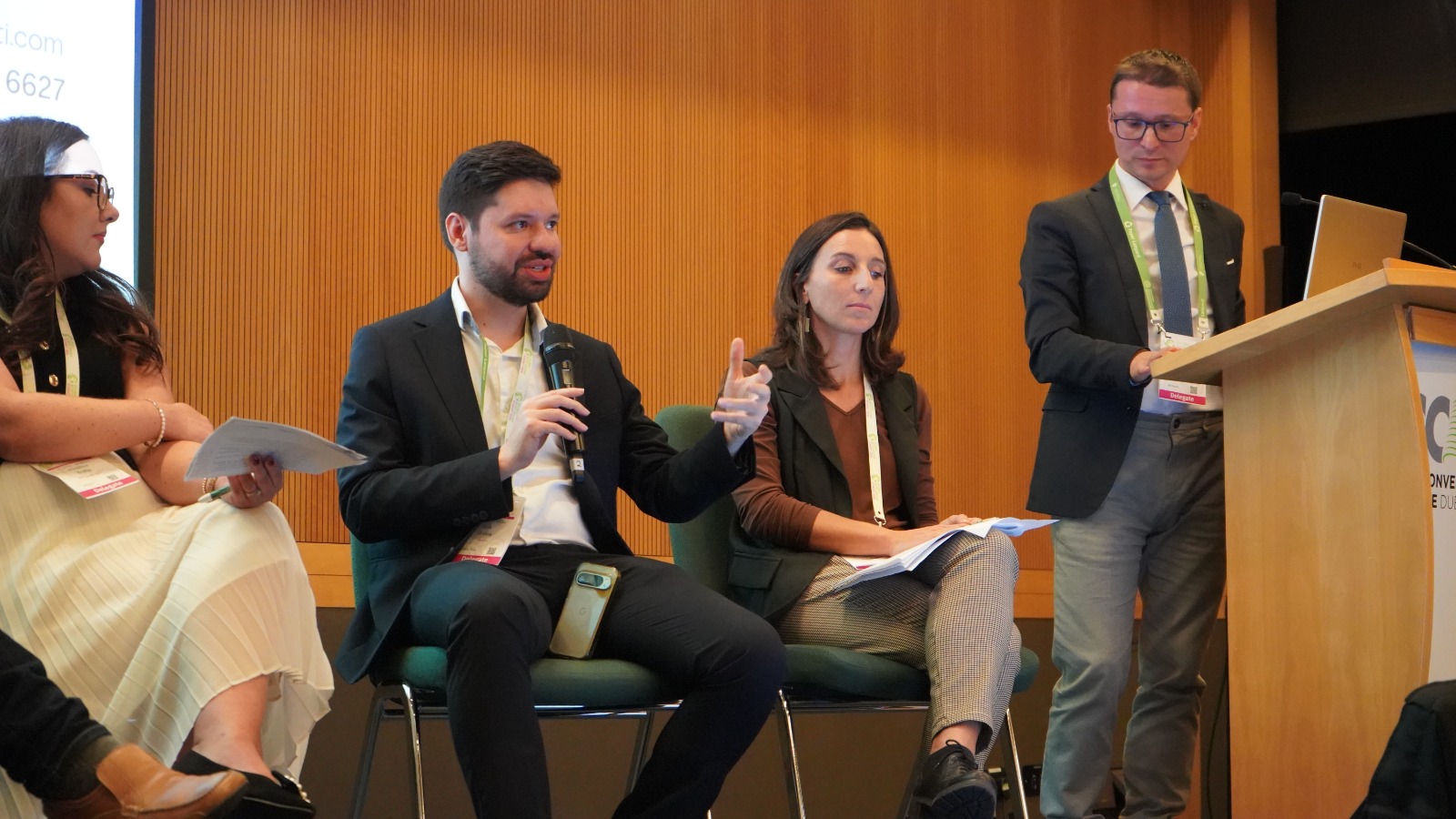
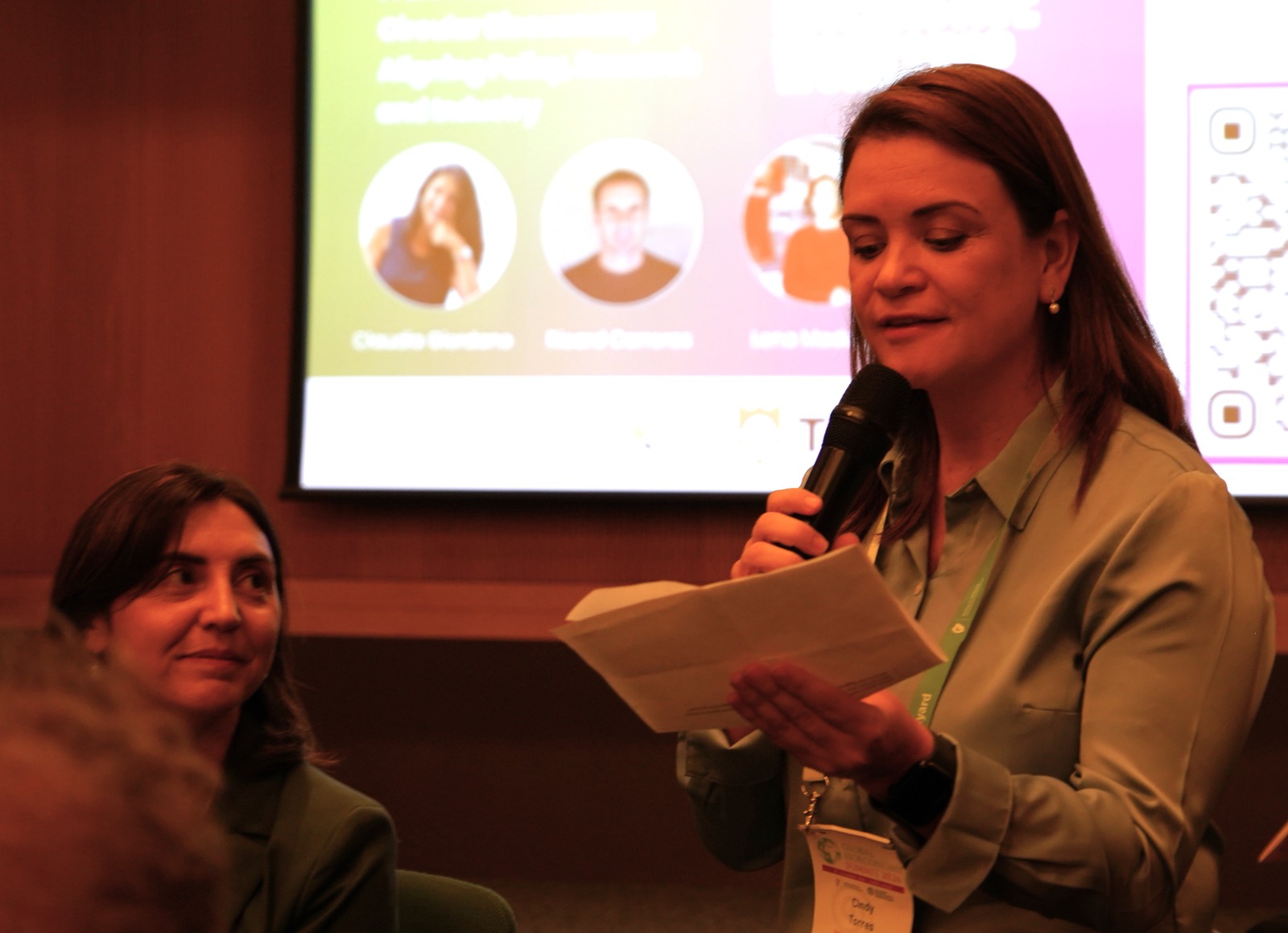
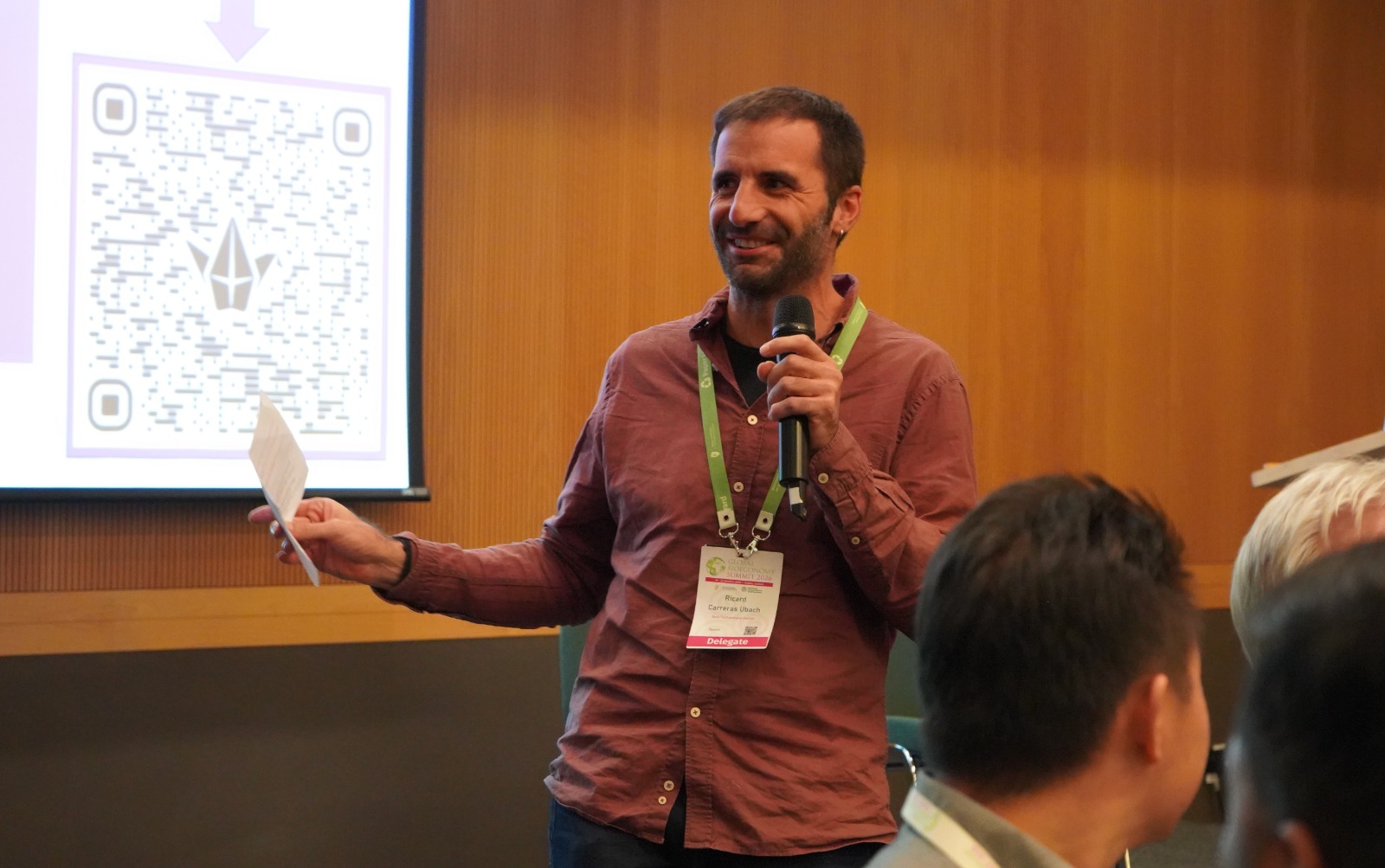
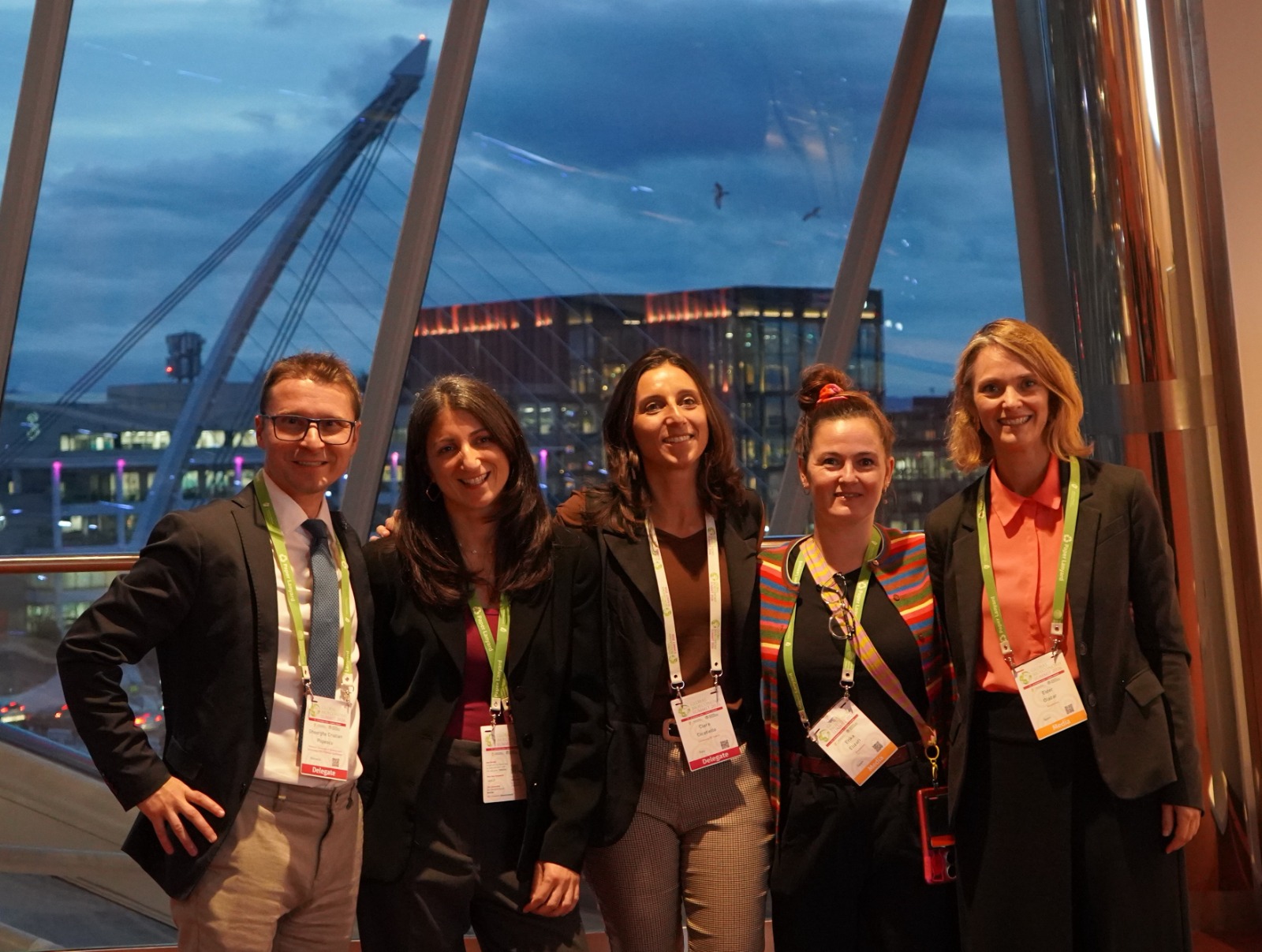
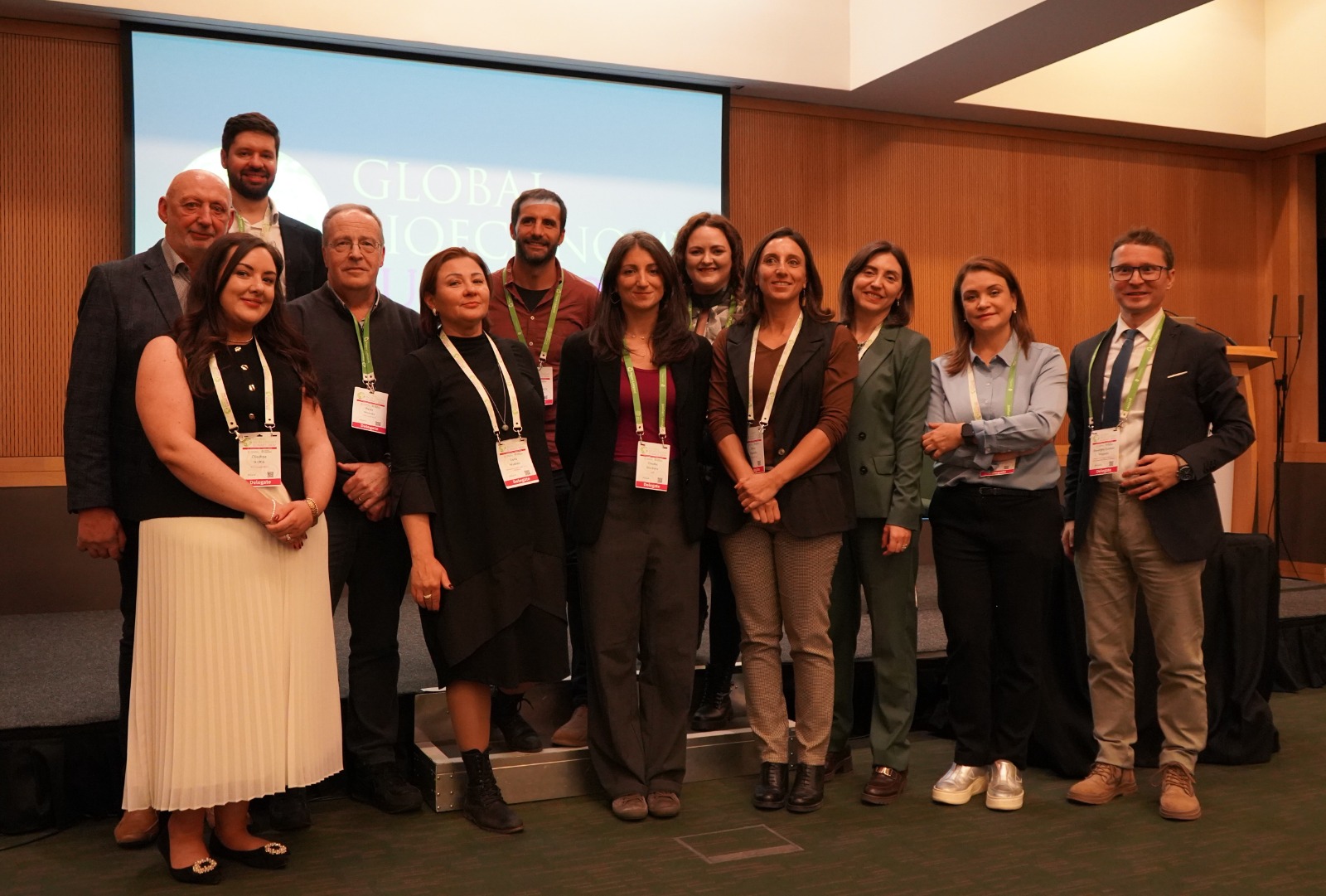
The workshop was facilitated by Claudia Giordano (WASTEWISE), Ricard Carreras (FOLOU), Lena Madden and Katie Schiels (TUS) and Cindy Torres (University of Costa Rica). Maria Teresa Borzacchiello from the European Commission’s Joint Research Centre (JRC) also contributed, presenting the new EU Directive 2025/1892 on food waste. She outlined the European Commission’s work to quantify food waste, assess its environmental impact, exchange best practices across Europe and improve food valorisation.
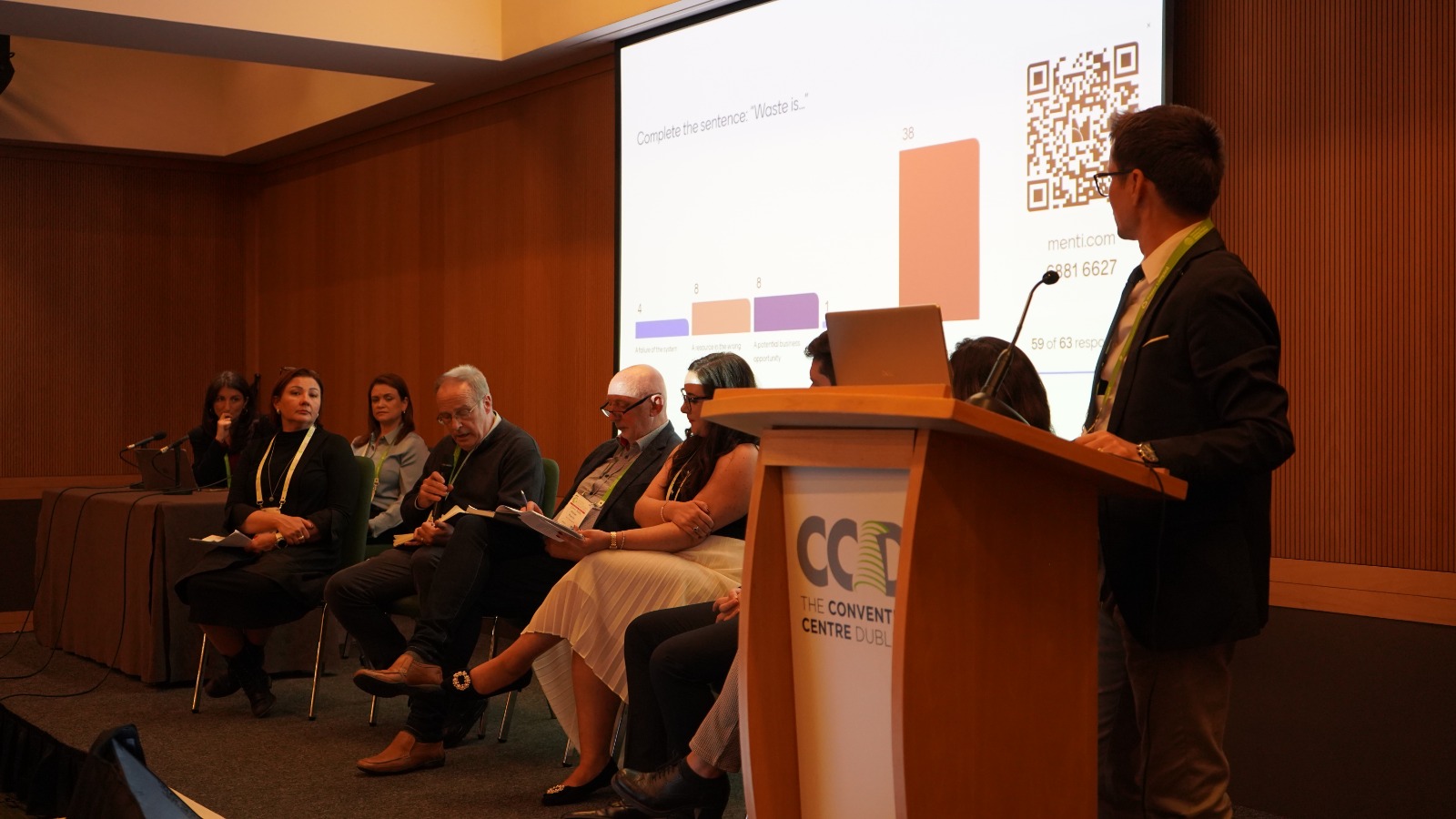
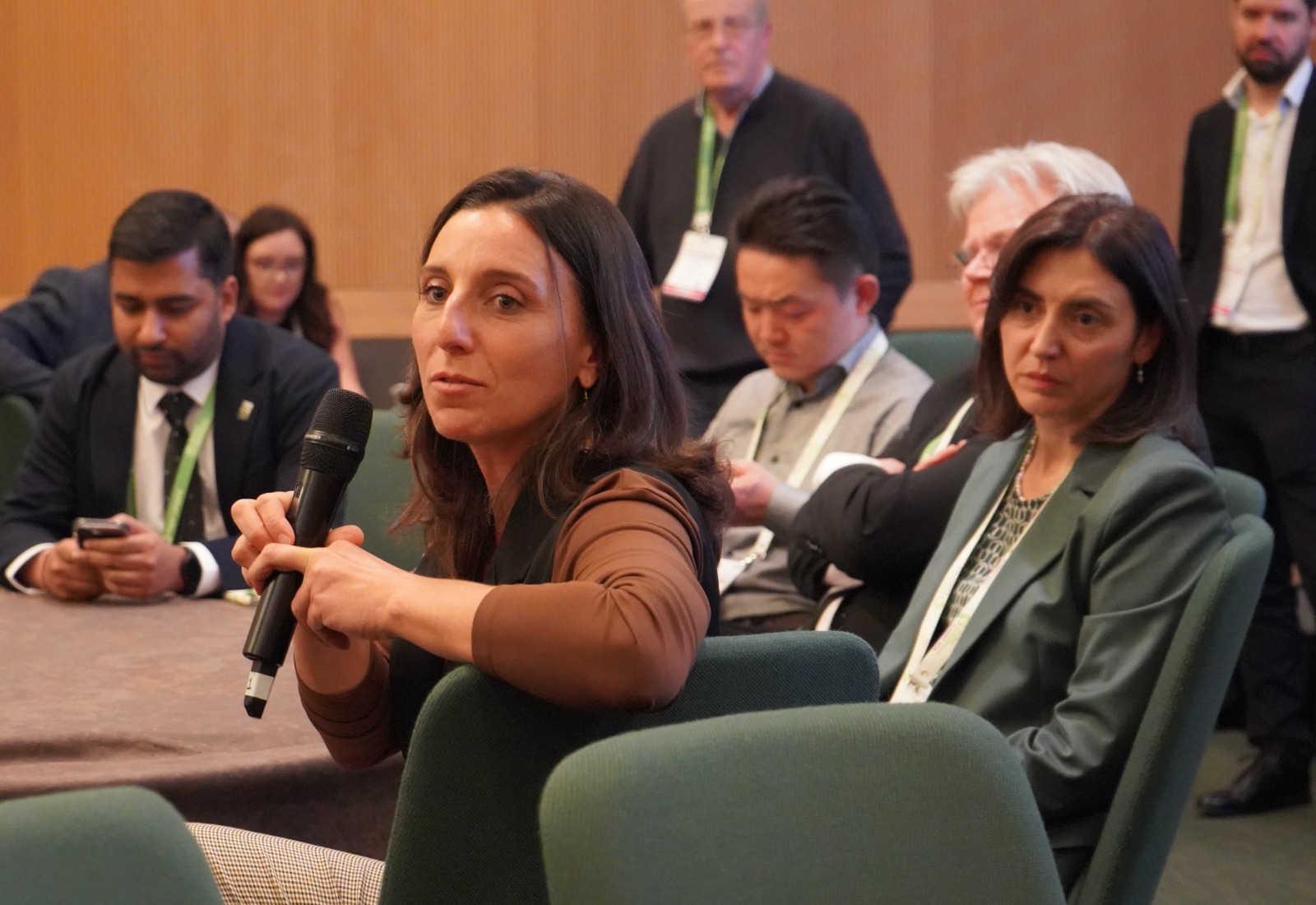
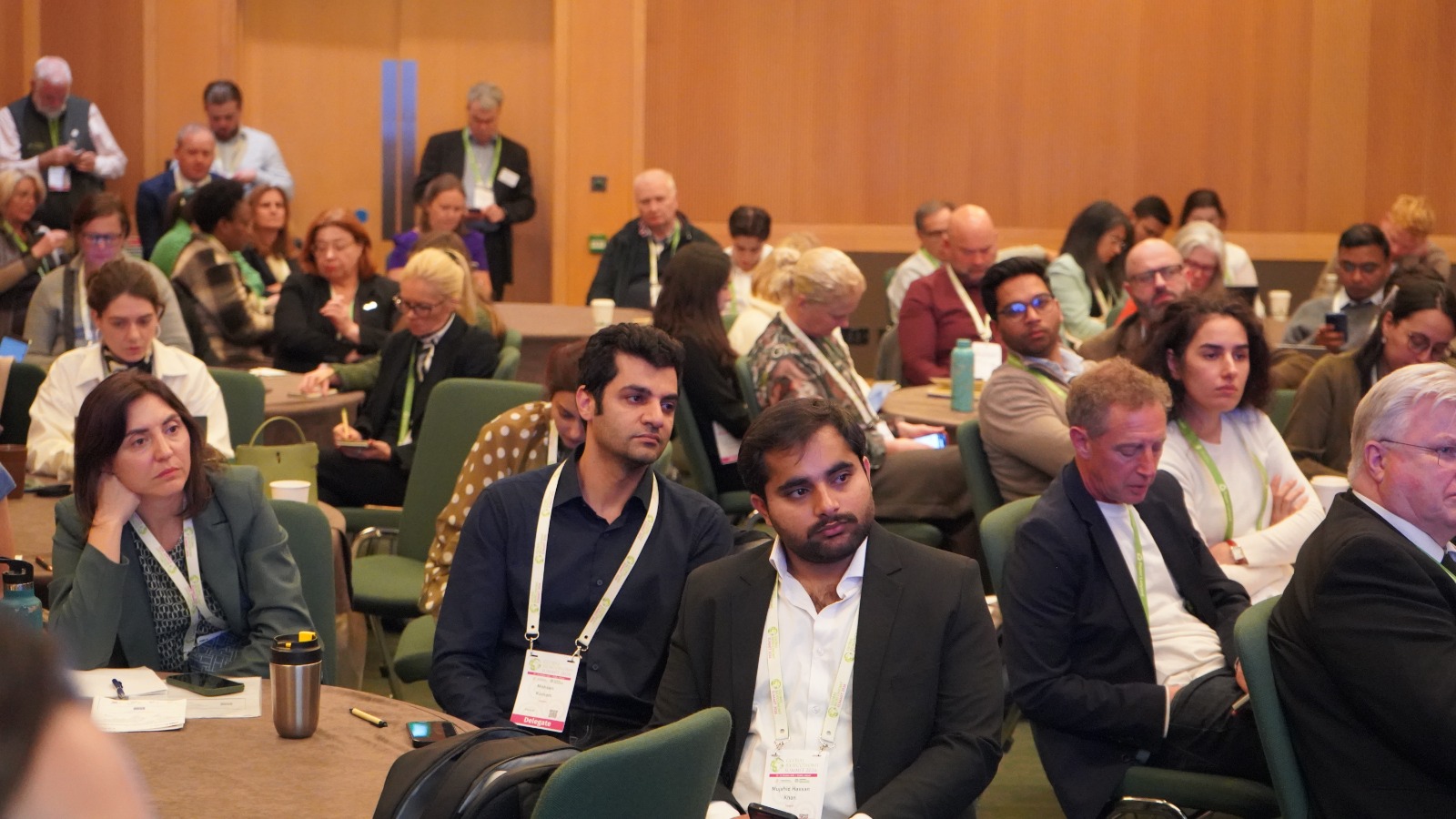
The discussion gained momentum when industry panellists representing the meat and fish sectors, renewable energy and the valorisation of food by-products shared their perspectives. The panel discussion was facilitated by Clara Cicatiello and Cristian Popescu from WASTEWISE. Peter Mooney (Dawn Meats), Michael McEniry (Nephin Renewable Energy), Cliodhna Griffin (BIM) and Luis Urvina (Biomatec) joined the debate, while participants used Mentimeter to share their views on food waste and the barriers preventing innovative solutions from reaching scale. Regulation emerged as a major obstacle, according to the predominantly industry-based audience.
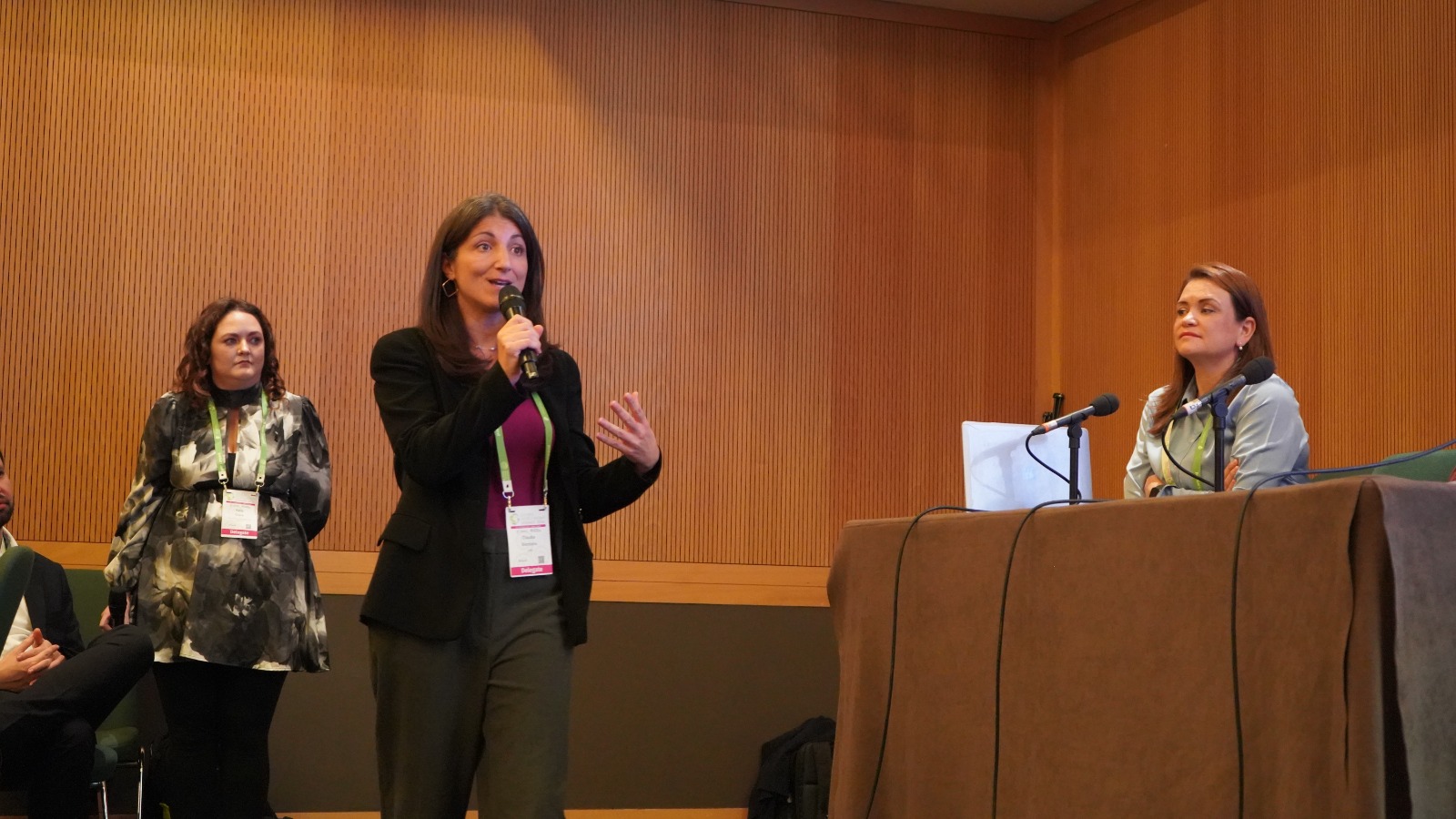
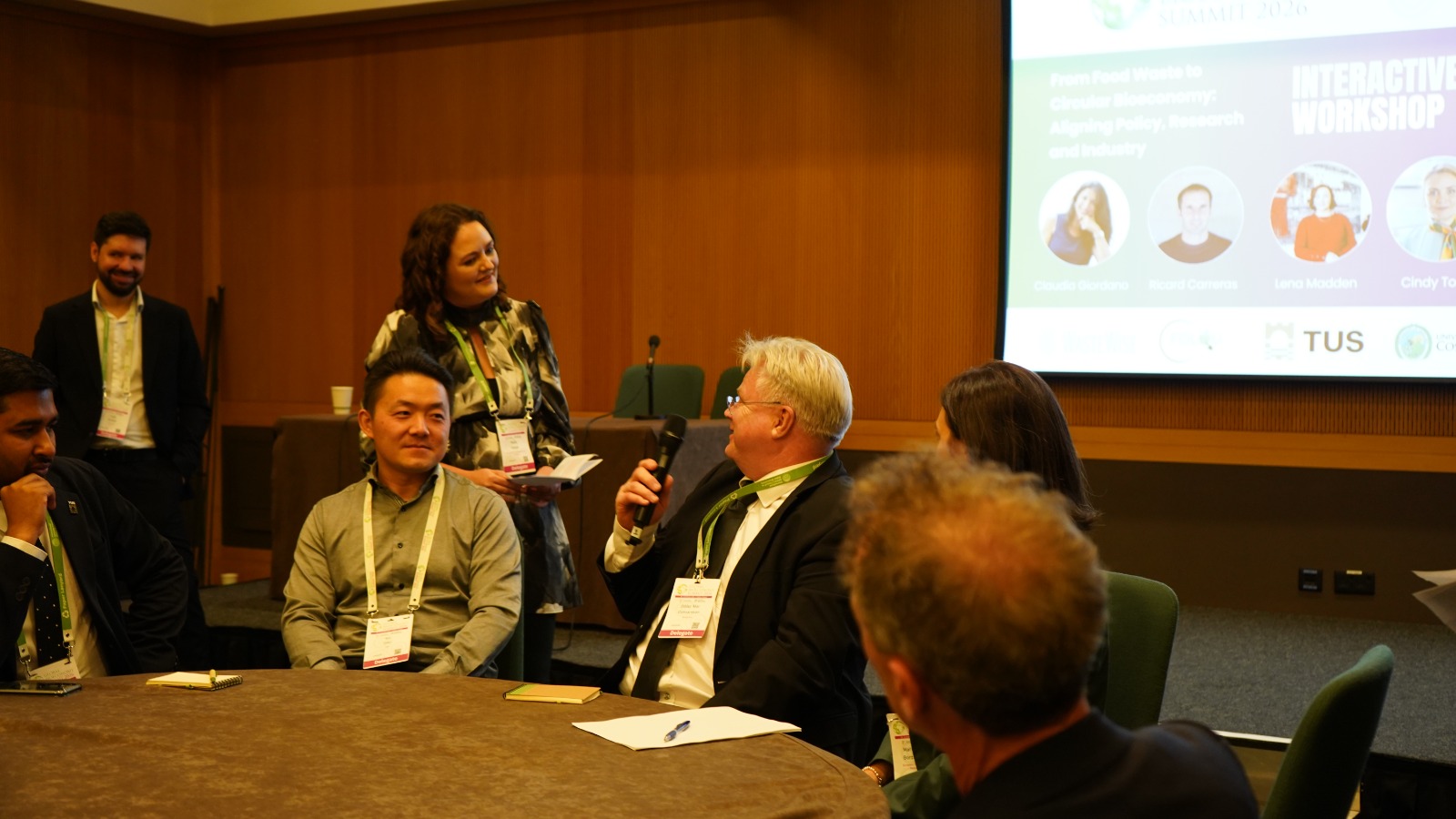
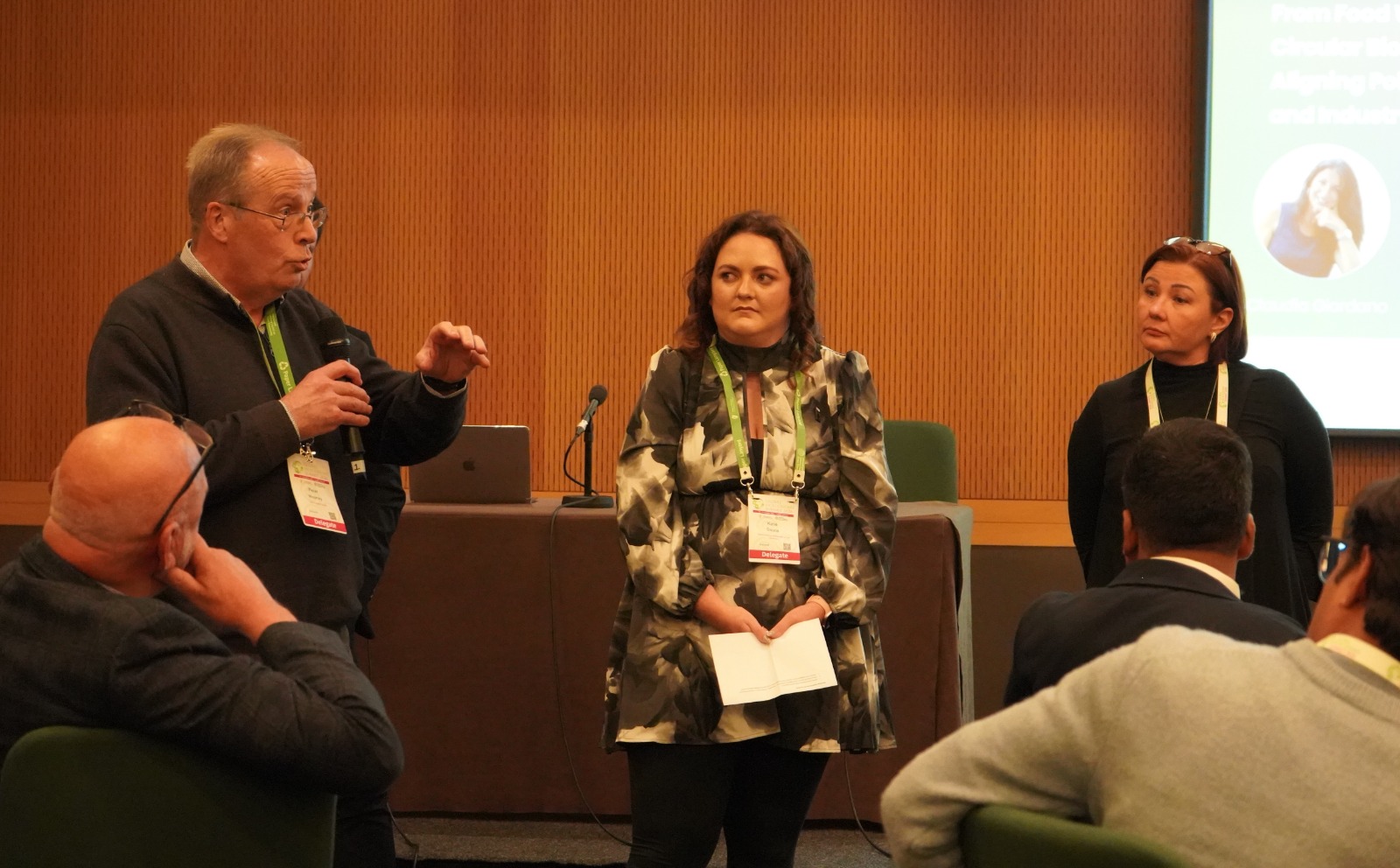
The final “fishbowl” discussion encouraged informal exchanges between facilitators and participants, fostering networking and sharing perspectives on food waste prevention and valorisation. Attendees explored the potential of turning food-processing by-products into new products and stressed that valorisation should complement, not replace, food waste prevention. Effective monitoring was also highlighted as essential.
The workshop fostered dialogue and mutual understanding between research and industry, while helping identify emerging market needs, innovative ideas and opportunities for collaboration. For WASTEWISE, these exchanges also provide valuable insights for developing its Multi-Actor Platforms (MAPs), strengthening collaboration among researchers, businesses and other stakeholders to support more effective food waste prevention and valorisation strategies.