WASTEWISE at RETASTE 2026: are we on track to reduce food waste by 2030?
This was the question underlying many of the discussions at this year’s RETASTE conference in Crete. Europe’s goal is clear: to substantially reduce food waste by 2030. However, determining whether we are actually achieving this is another matter. Are we measuring food waste accurately enough to detect a real reduction? Are national policies coherent and implemented effectively enough to achieve this? And when food waste is prevented, are we adequately capturing the environmental benefits – and possible trade-offs – that follow?
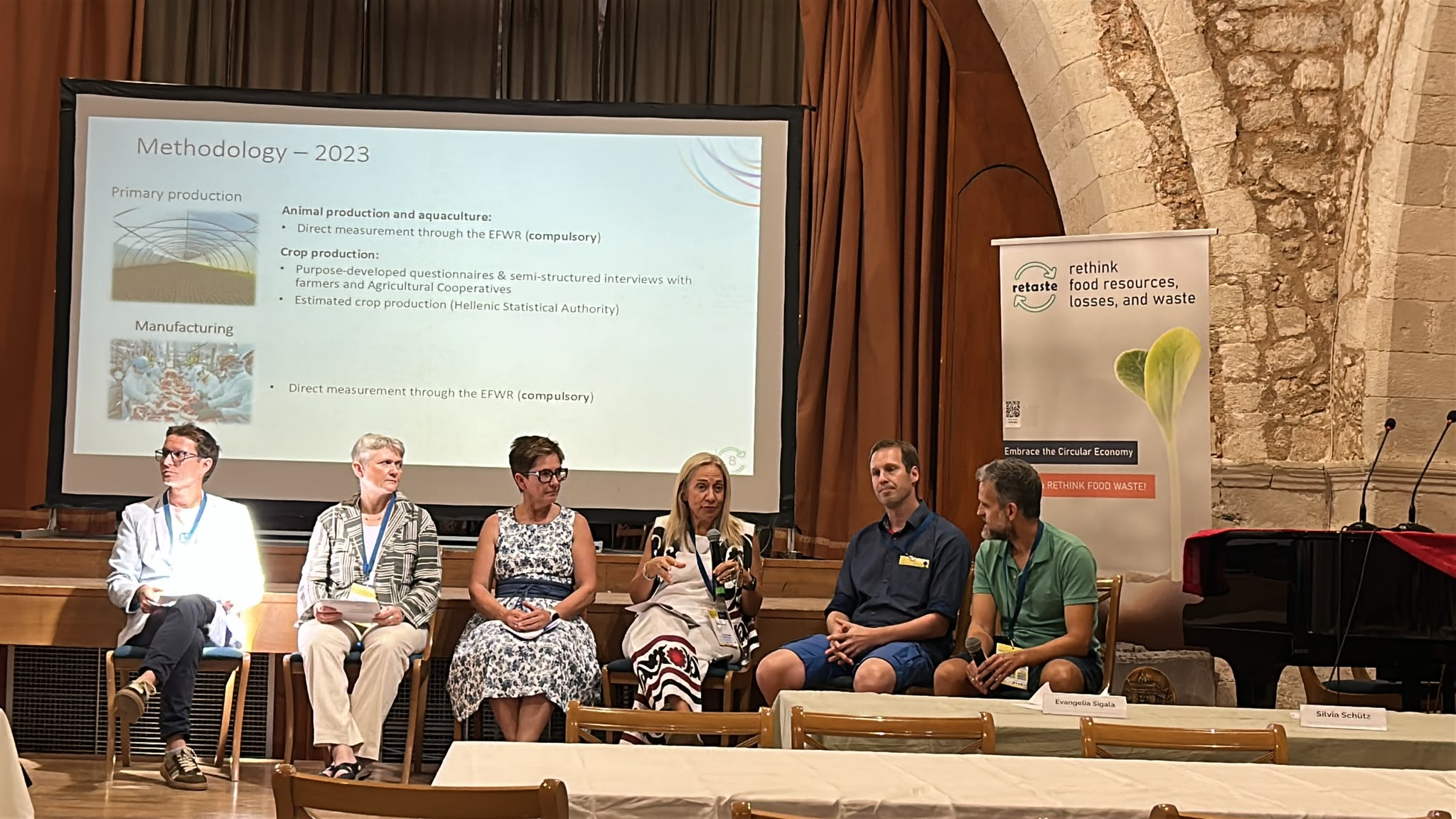
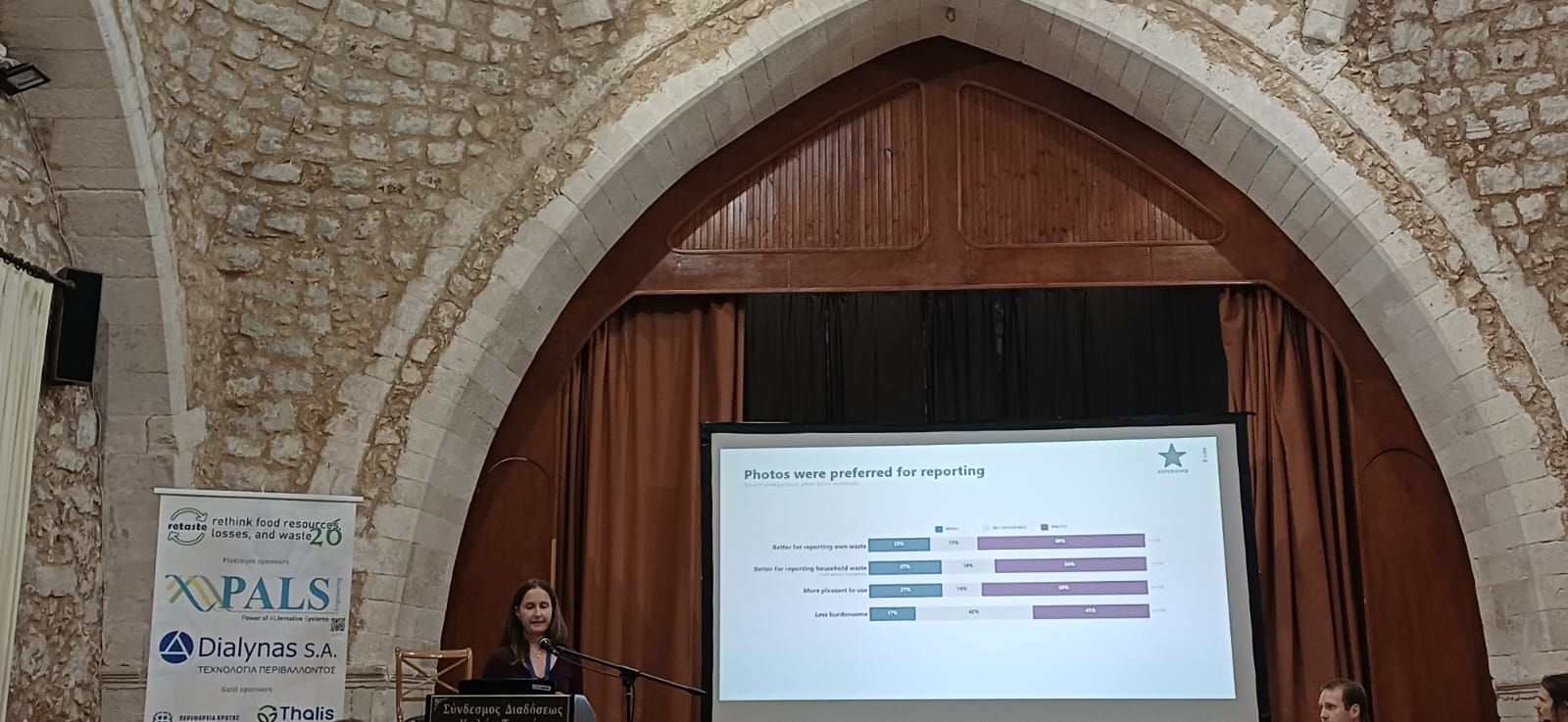
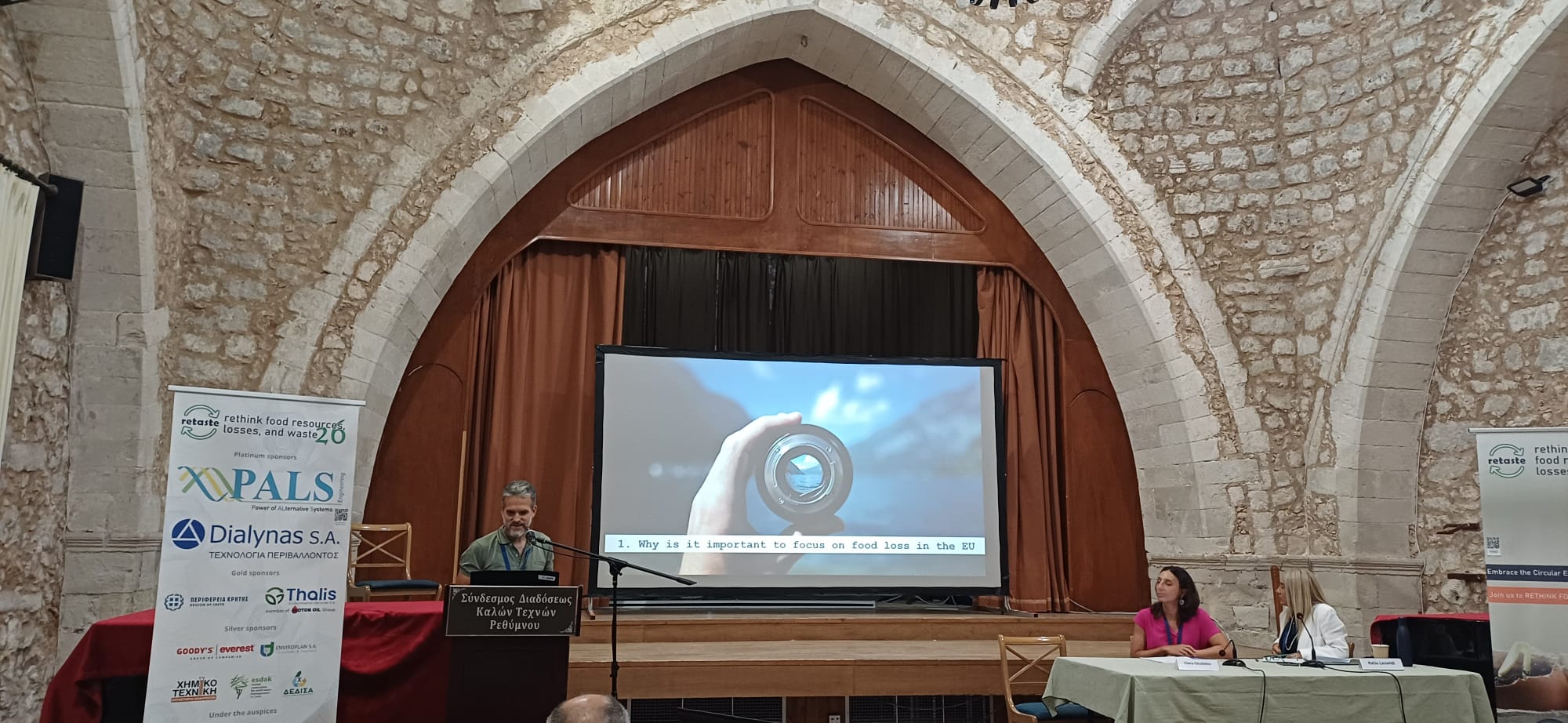
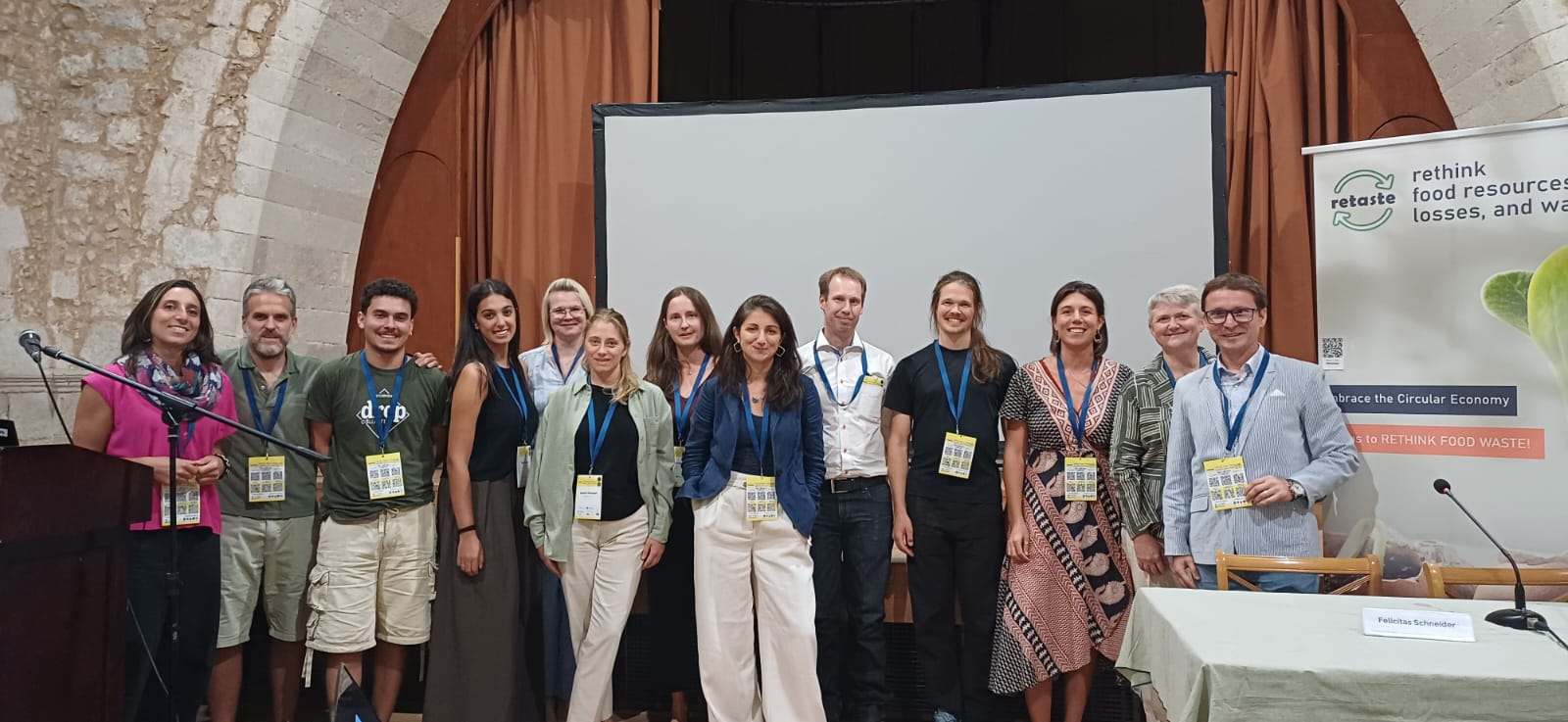
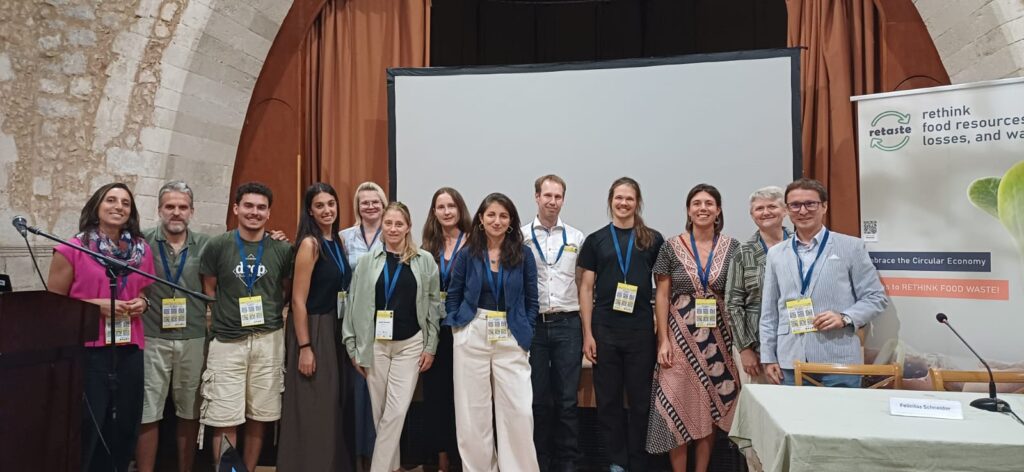
WASTEWISE researchers approached these questions from different angles throughout the conference. In fact, a large group from WASTEWISE, including partners, members of the advisory board and stakeholders, have taken part both by giving presentations and contributing to the discussions on measuring food waste, designing the conditions for change, and understanding its environmental consequences.
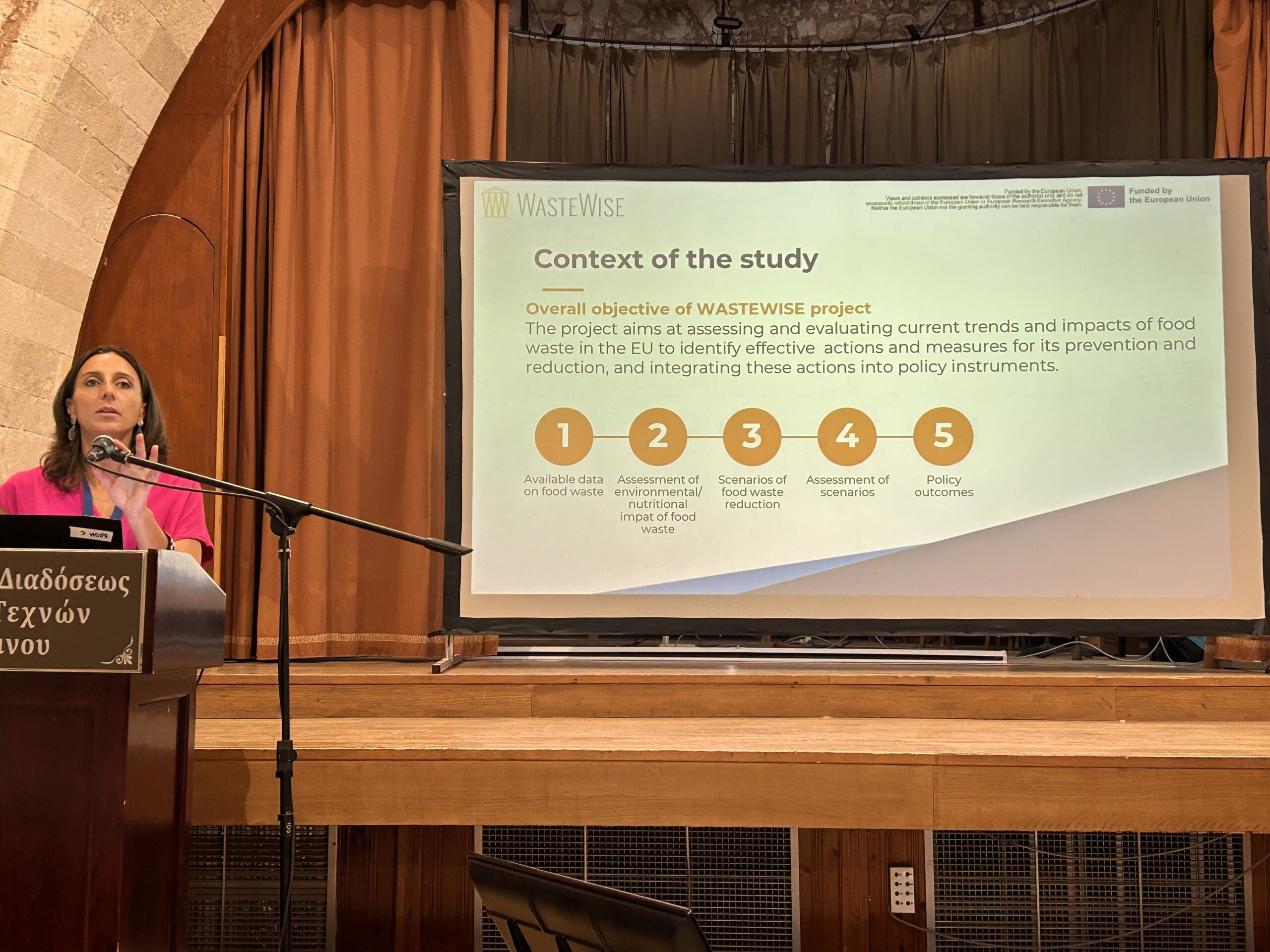
The session on food loss and waste: Monitoring, Prevention & Reduction brought together several of these perspectives:
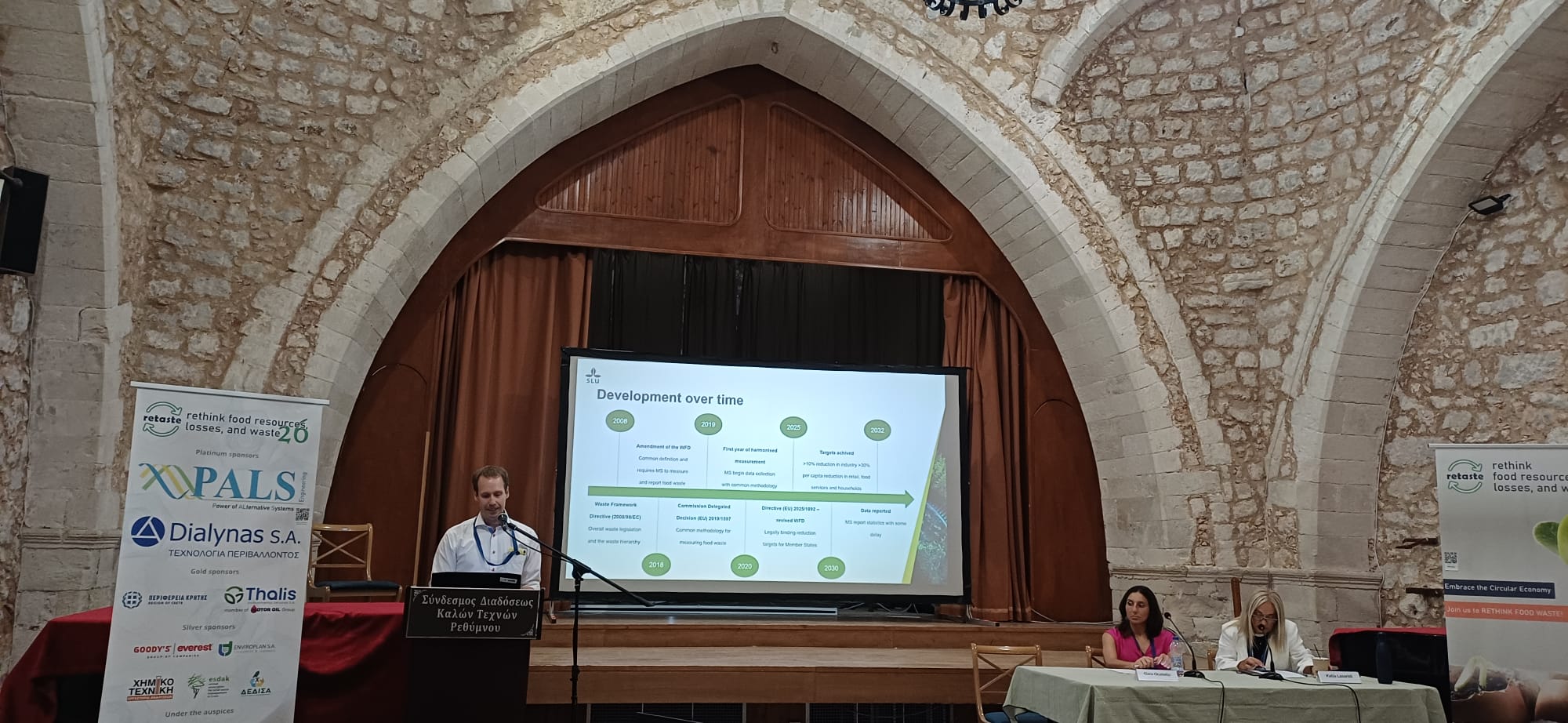
- Mattias Eriksson examined whether current Swedish monitoring systems can track progress towards the EU food waste reduction target.
- Clara Cicatiello discussed innovations for food waste prevention across supply chains.
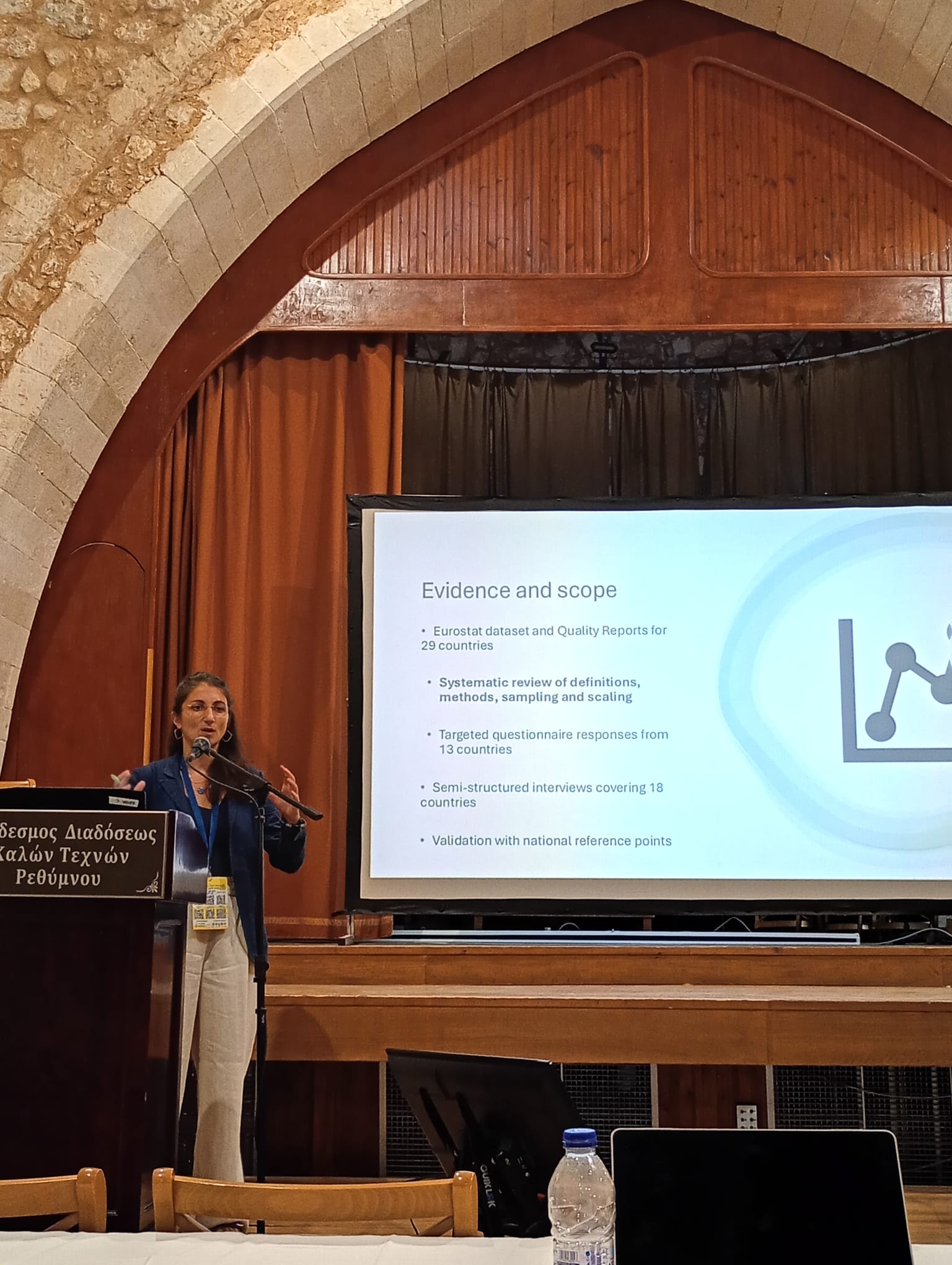
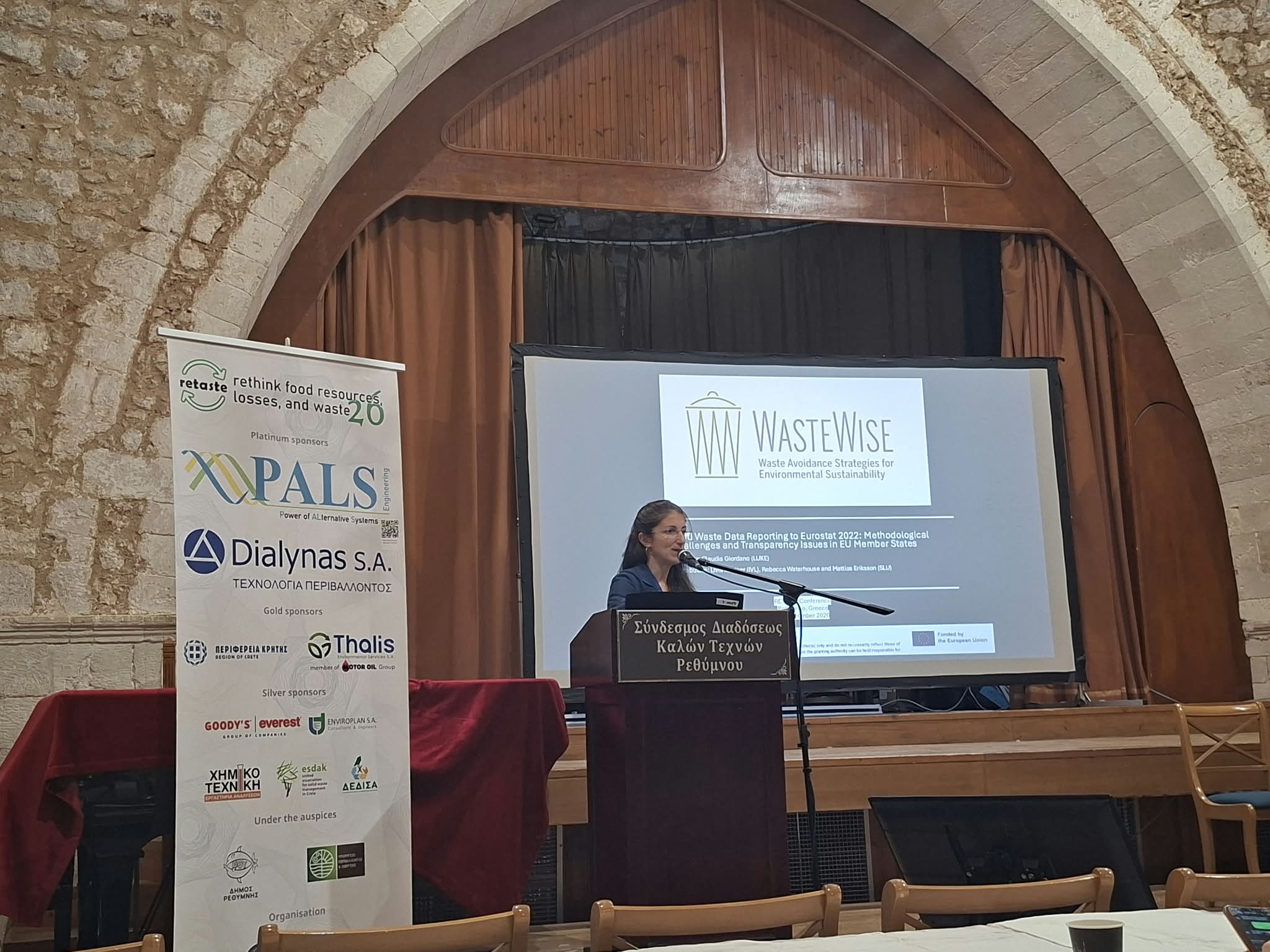
- Claudia Giordano presented the ongoing analysis of methodological challenges and transparency issues in Member States’ 2022 food waste reporting to Eurostat.
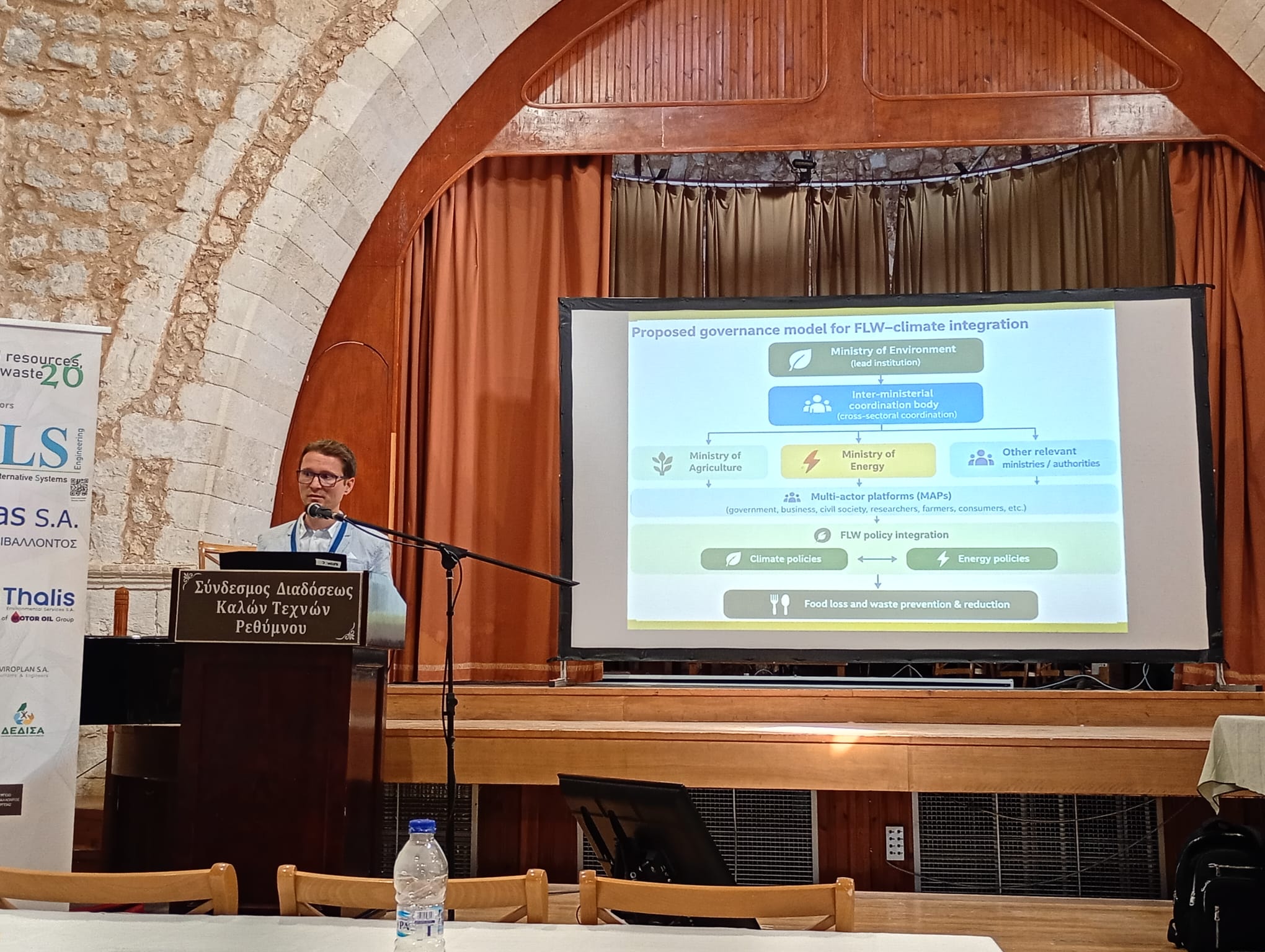
- Gheorghe Cristian Popescu addressed the integration of food waste into EU energy and climate policies.
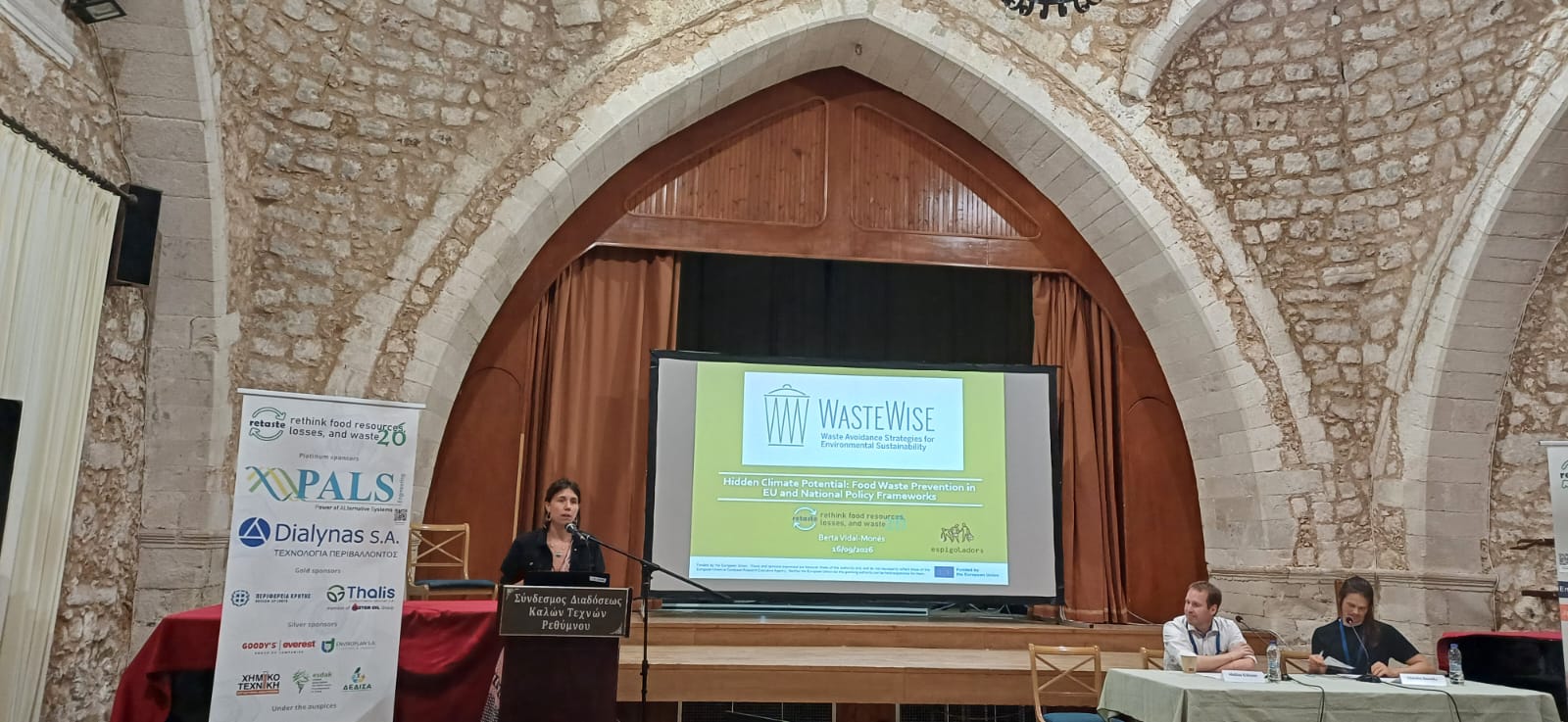
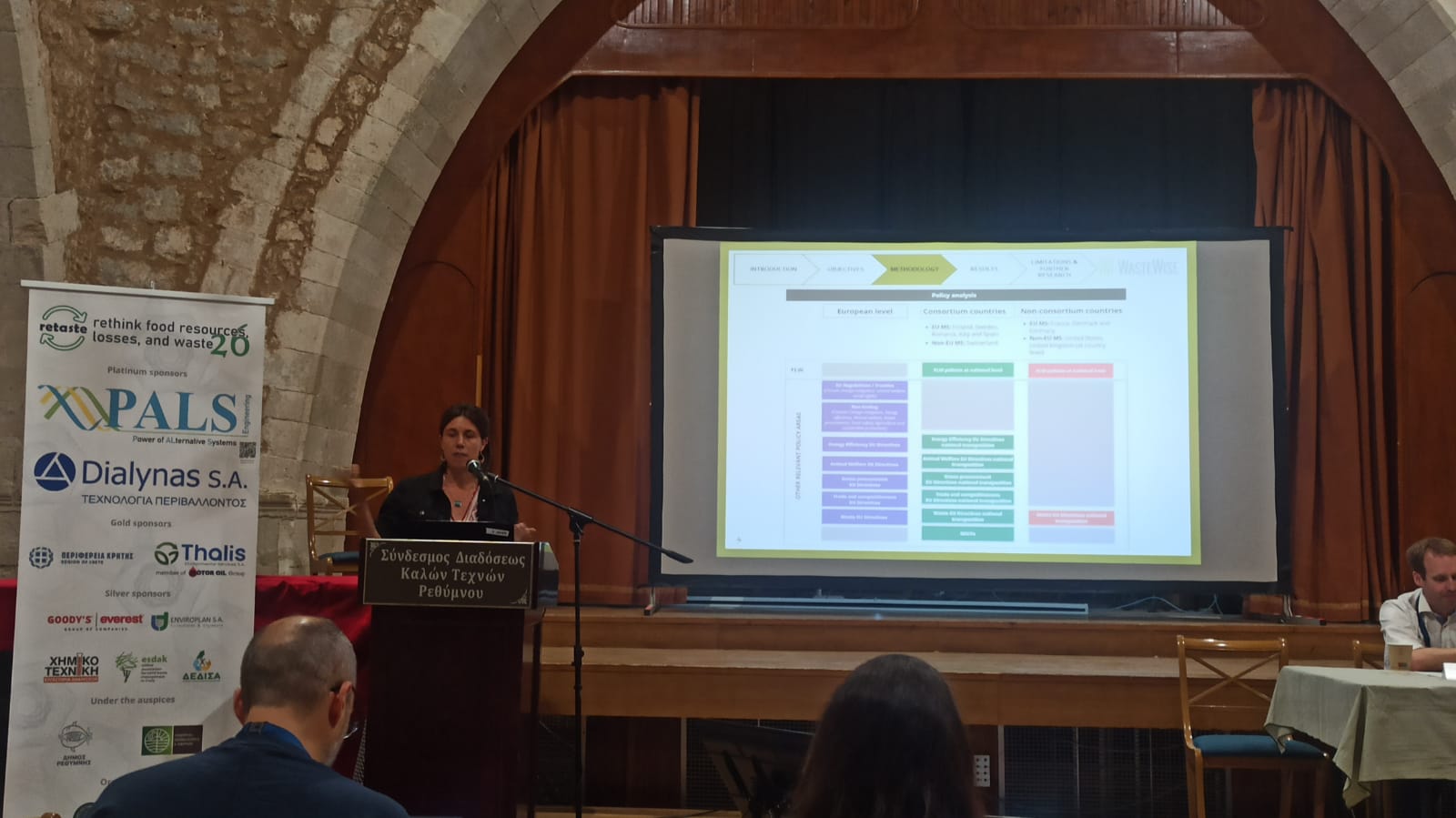
- Berta Vidal-Monés examined the role of food waste prevention in EU and national policy frameworks.
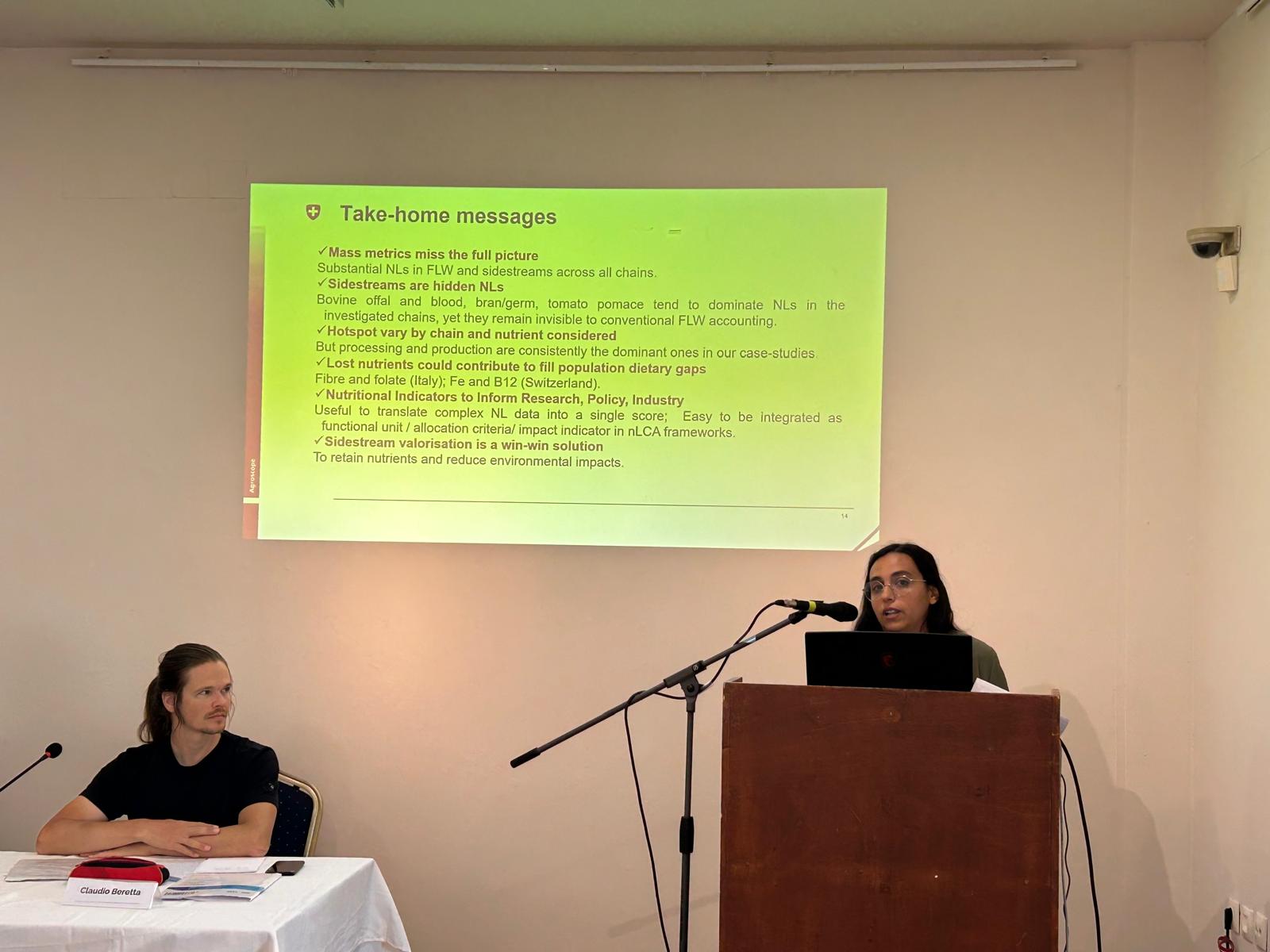
- Silvia Zingale presented work on a nutritional LCA framework for food loss and waste, and sidestreams in European supply chains.
Hanna Hartikainen attended the conference as part of the WASTEWISE scientific coordination team, participating in discussions throughout the event. Other project members who took part were Héctor Barco, Niina Sundin, Roberta Pietrangeli, Felicitas Schneider and Claudio Beretta.
Despite their different starting points, the contributions kept returning to the same issue: what needs to be in place for the 2030 reduction targets to result in measurable reductions in food waste? The discussions highlighted several areas where improvements are needed, such as greater harmonisation and implementation of food waste policies, further standardisation of measurement and reporting methods, and the collection of robust, comparable data to determine whether the observed changes truly represent reductions in food waste.
Measurement tells us whether and how food waste is changing, policy analysis examines whether the conditions for reduction are in place, and environmental assessment helps us understand the broader implications of those reductions. Considerable work is still needed on all three fronts if the 2030 targets are to be reached.
WASTEWISE would like to thank the RETASTE 2026 organising team and the teams at Hellenic Mediterranean University and Harokopio University for creating and continuously developing an important platform for the food loss and waste research community. Over its six editions, RETASTE has established itself as a key European conference in the field, providing a valuable space for researchers to share knowledge, discuss emerging challenges and strengthen collaboration.